Introduction

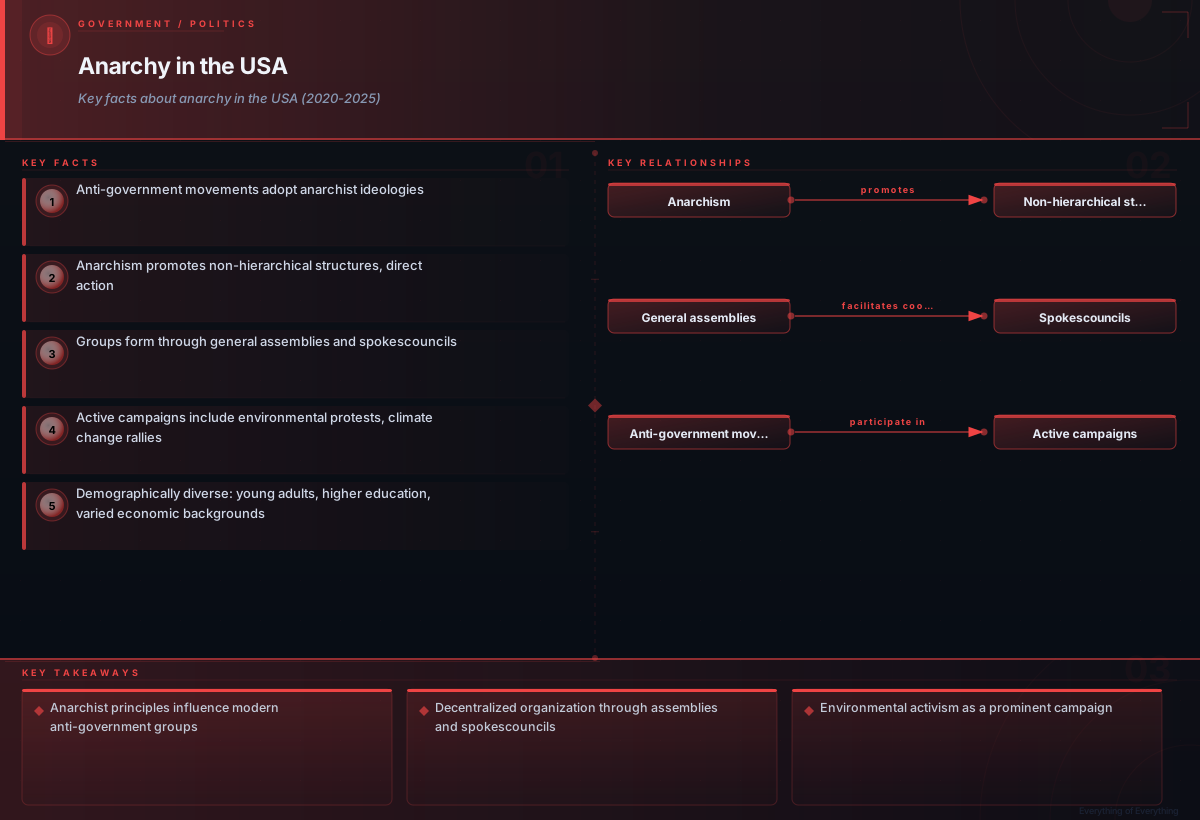
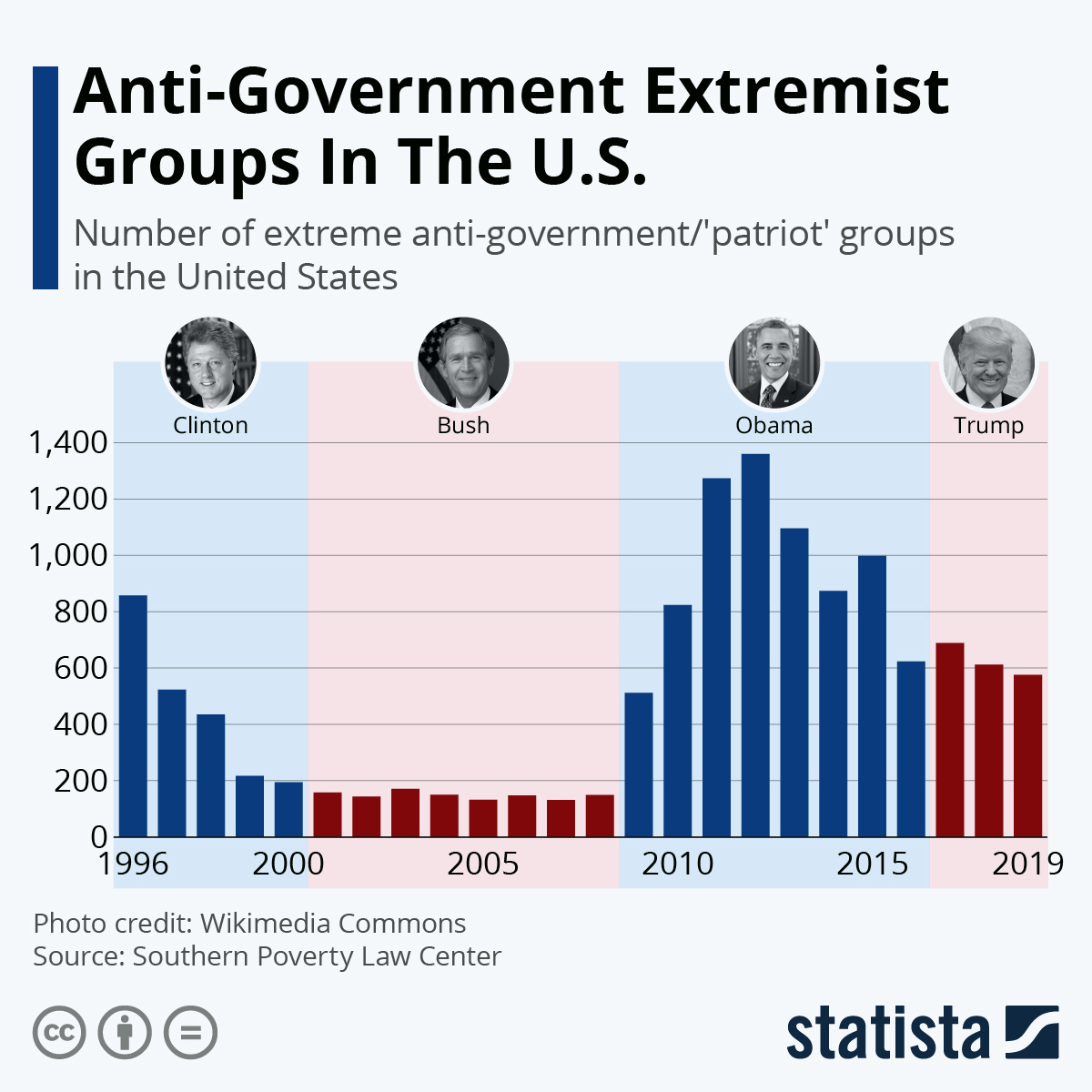
The concept of anarchy—defined as a stateless society where individuals organize themselves based on mutual consent and voluntary association—has been a contentious topic within American political discourse for several decades. In recent years, the rise of anti-government movements has garnered significant attention, with some attributing their origins to anarchist ideologies or principles. This article delves into the structure and formation of anarchy groups in the USA (2020-2025), providing a demographic analysis of anti-government activists and detailing current active campaigns by these groups.
Foundational Concepts and Historical Context
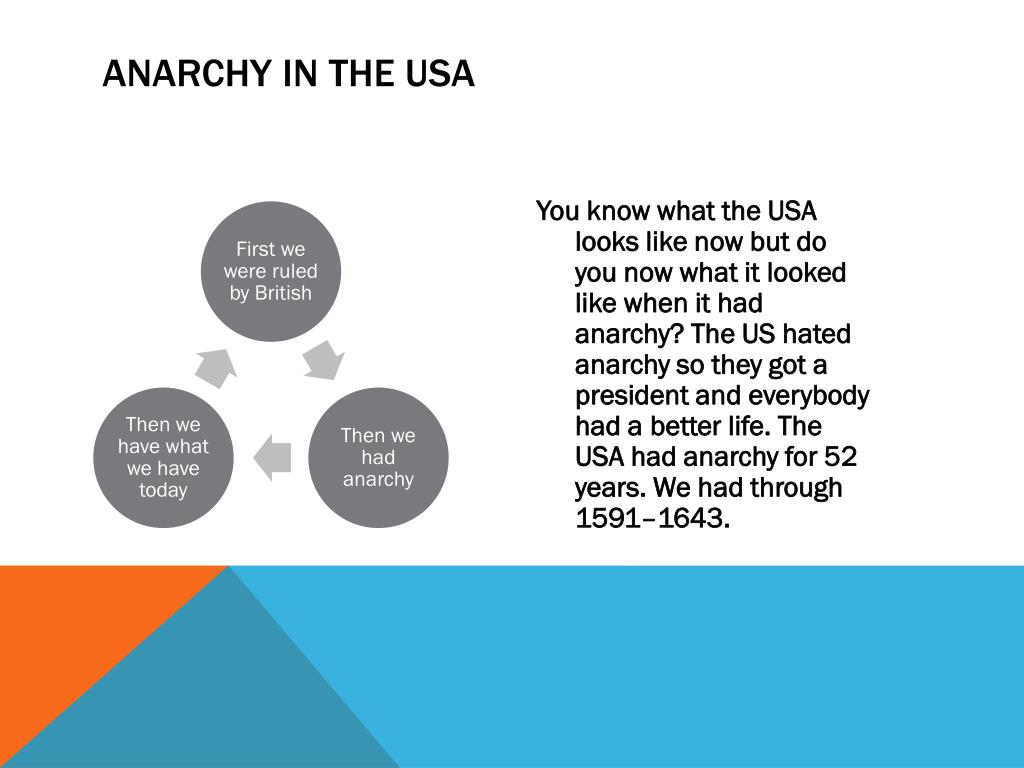
Anarchism, as an ideology, advocates for a society without hierarchical structures or centralized authority. Key principles include anti-authoritarianism, free association, mutual aid, and the rejection of both capitalism and the state (Morpheus [1]). While often misunderstood, anarchism promotes self-management and horizontal organization, aiming to create decentralized communities that operate through consensus-based decision-making processes.
Historically, the United States has seen various incarnations of anarchist movements. From the early 20th century labor unions influenced by syndicalist ideologies to more contemporary cyber-libertarian groups, the landscape of American anarchism has evolved significantly (The Everything of Everything [2]). In recent years, these movements have adopted modern tools and strategies, such as direct action, decentralized organizing, and digital platforms for communication.
Structure and Formation of Anarchy Groups
Anarchy groups in the USA typically form around specific goals or principles. They often emerge through spontaneous gatherings, online forums, and targeted recruitment efforts (Morpheus [1]). Key characteristics include a focus on non-hierarchical structures, direct action tactics, and a commitment to building alternative community organizations.
General Assemblies and Spokescouncils
A common organizational structure among these groups is the general assembly and spokescouncil. General assemblies allow members to come together for decision-making processes, while spokescouncils facilitate coordination across different affinity groups (Morpheus [1]). This decentralized approach aims to ensure that all voices are heard and decisions are made collectively.
Current Active Campaigns
Several active campaigns by anarchy groups in the USA have gained prominence. These include environmental protests, direct action against corporate entities, and support for marginalized communities (Morpheus [1]). For instance, many anarchist-aligned activists participate in climate change rallies, where they use nonviolent but assertive tactics to draw attention to their causes.
Demographic Analysis of Anti-Government Activists
Demographically, the membership within these groups is diverse. However, several commonalities exist among participants. Many are young adults aged 18-35, with a significant portion holding college or higher education degrees (The Everything of Everything [2]). Economic factors also play a role; individuals from working-class backgrounds often join out of disillusionment with the existing socio-economic system.
Key Demographic Characteristics
- Age: Predominantly young adults.
- Education Level: Higher educational attainment is common, though not universal.
- Economic Background: Disillusioned by economic inequality and corporate control.
- Ethnicity and Race: Diverse but with higher representation among non-white populations (The Everything of Everything [2]).
- Gender: Gender diversity exists, with varying levels of engagement from different groups.
Key Figures & Contributions
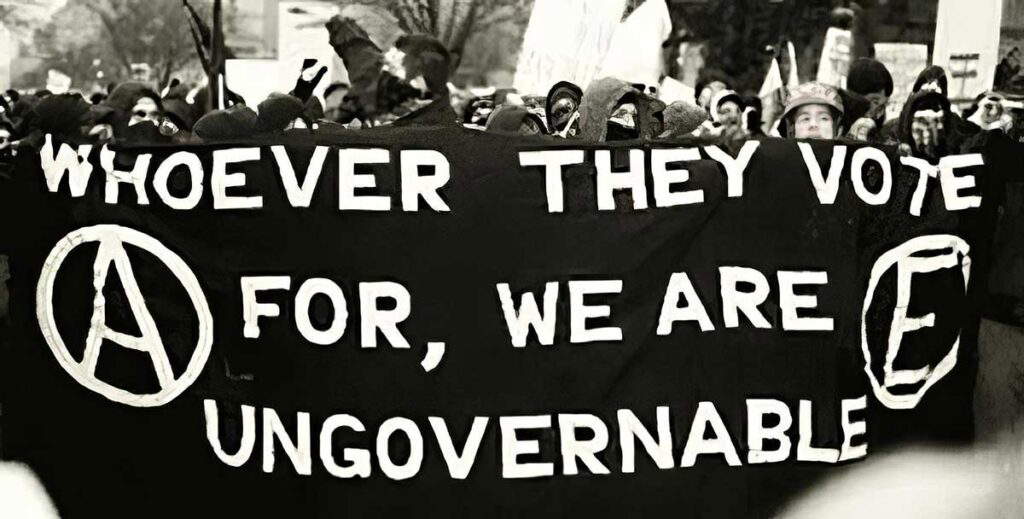
Several individuals and organizations have significantly influenced the modern landscape of anarchy in the USA:
- Misanthropic Anarchist Alliance (MAA): A decentralized network advocating for direct action and community self-organization.
- Anarchist Federation of North America: A collective working to promote anarchist values through education, organizing, and activism.
- Anarchists Without Borders: An international movement focusing on solidarity actions and support networks.
Current State & Recent Developments
The current state of anarchy in the USA is marked by a blend of traditional anarchistic principles and contemporary adaptations. Modern movements have embraced digital technologies for communication and organization, making their activities more accessible yet less traceable (Morpheus [1]). Additionally, recent developments include increased collaboration with other social justice movements, reflecting a broader commitment to collective liberation.
Recent Breakthroughs
- Digital Platforms: Social media and encrypted messaging apps facilitate coordinated actions while maintaining anonymity.
- Syndicalism Revival: While weaker than historically, there is a renewed interest in syndicalist practices among certain subgroups.
- Intersectional Approaches: An increasing focus on addressing issues like race, gender, and class within anarchist frameworks.
Key Takeaways
- Decentralization: Anarchy groups often operate through non-hierarchical structures, emphasizing consensus-based decision-making.
- Demographic Diversity: Young adults with higher education levels are prominent in these movements, though the group is not monolithic.
- Contemporary Adaptations: Modern anarchy incorporates digital tools and aligns with broader social justice agendas.
- Active Campaigns: Environmental activism and direct action against corporations remain key areas of engagement.
- Future Trajectory: Collaborative efforts with other movements indicate a growing emphasis on intersectional approaches.
This article synthesizes foundational concepts, historical context, recent developments, and demographic insights to provide a comprehensive overview of active anti-government movements in the USA, focusing particularly on those aligning with anarchy principles.
Data Overview