Introduction to Angkor Wat
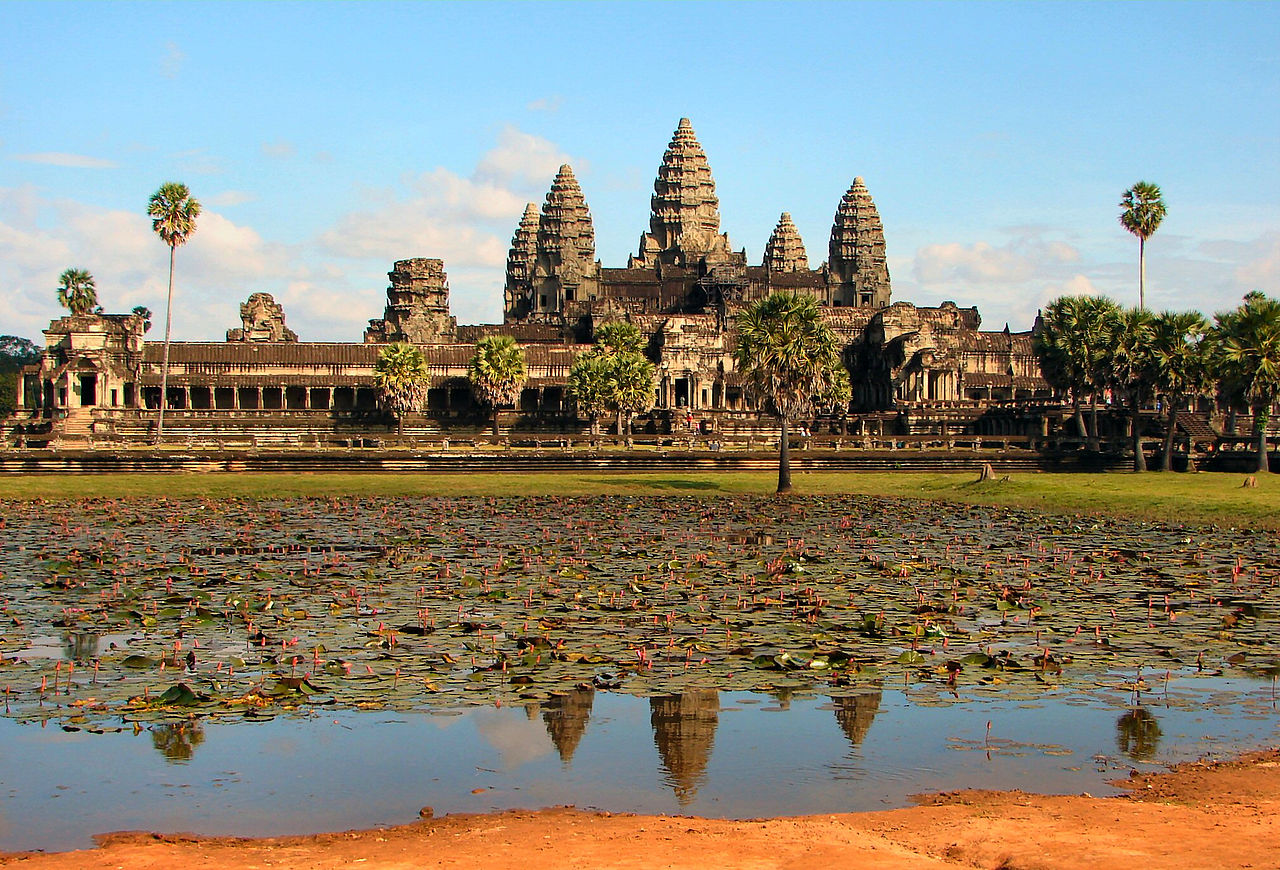
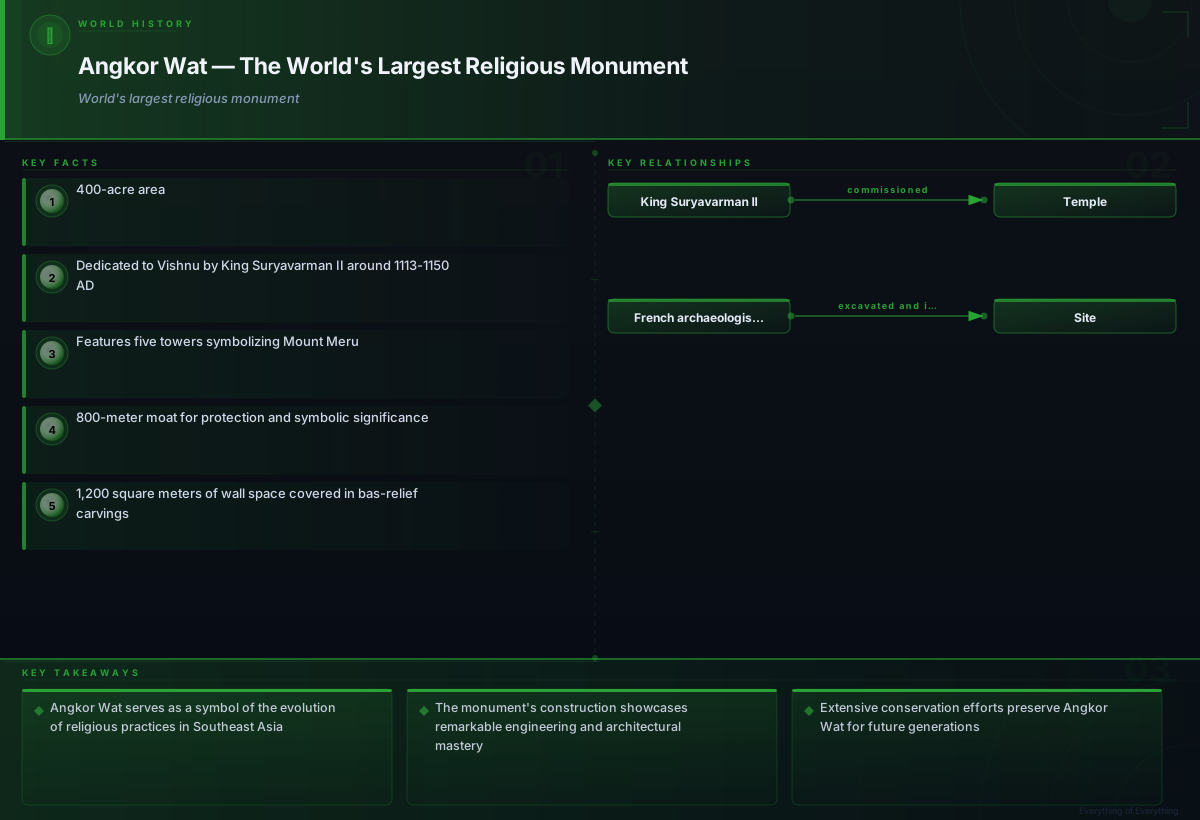
Angkor Wat, located in Cambodia, is the largest religious monument ever constructed. It spans an area of 400 acres and was originally dedicated as a Hindu temple to the god Vishnu by King Suryavarman II around 1113-1150 AD [1]. Over time, it converted into a Buddhist temple, reflecting the evolution of religious practices in Southeast Asia.
The Construction Process
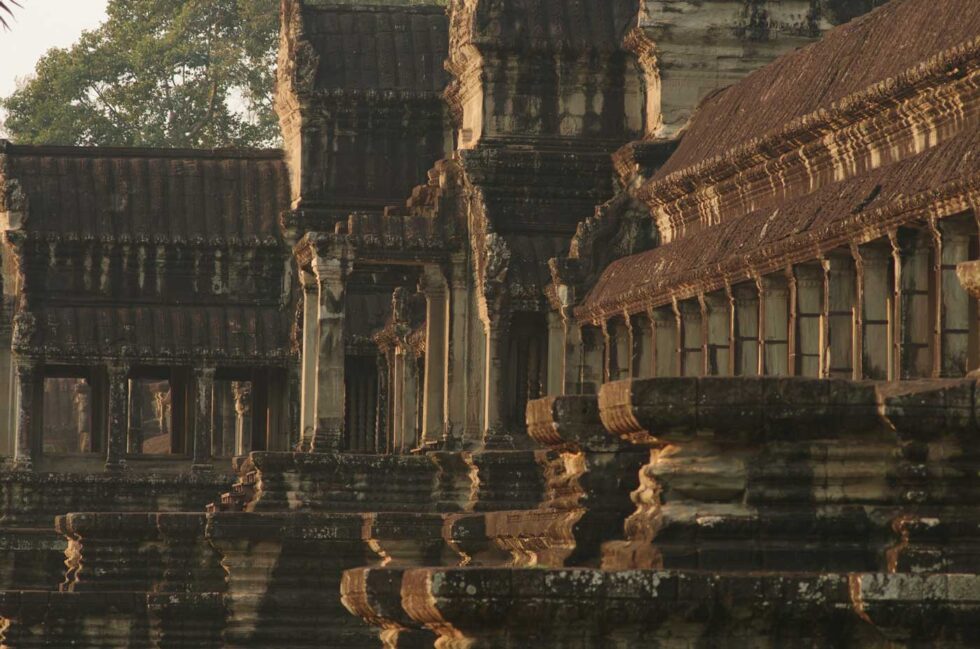
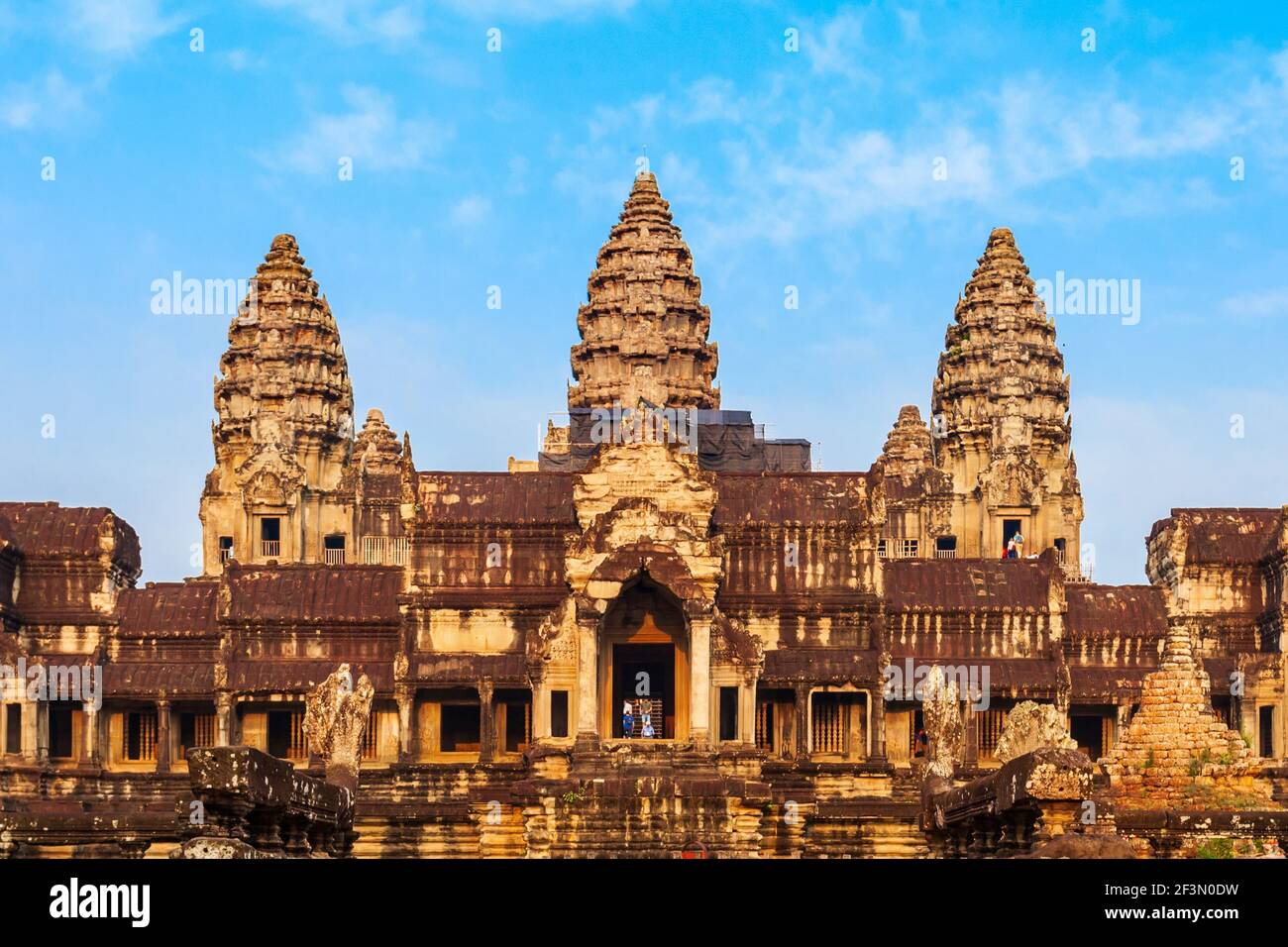
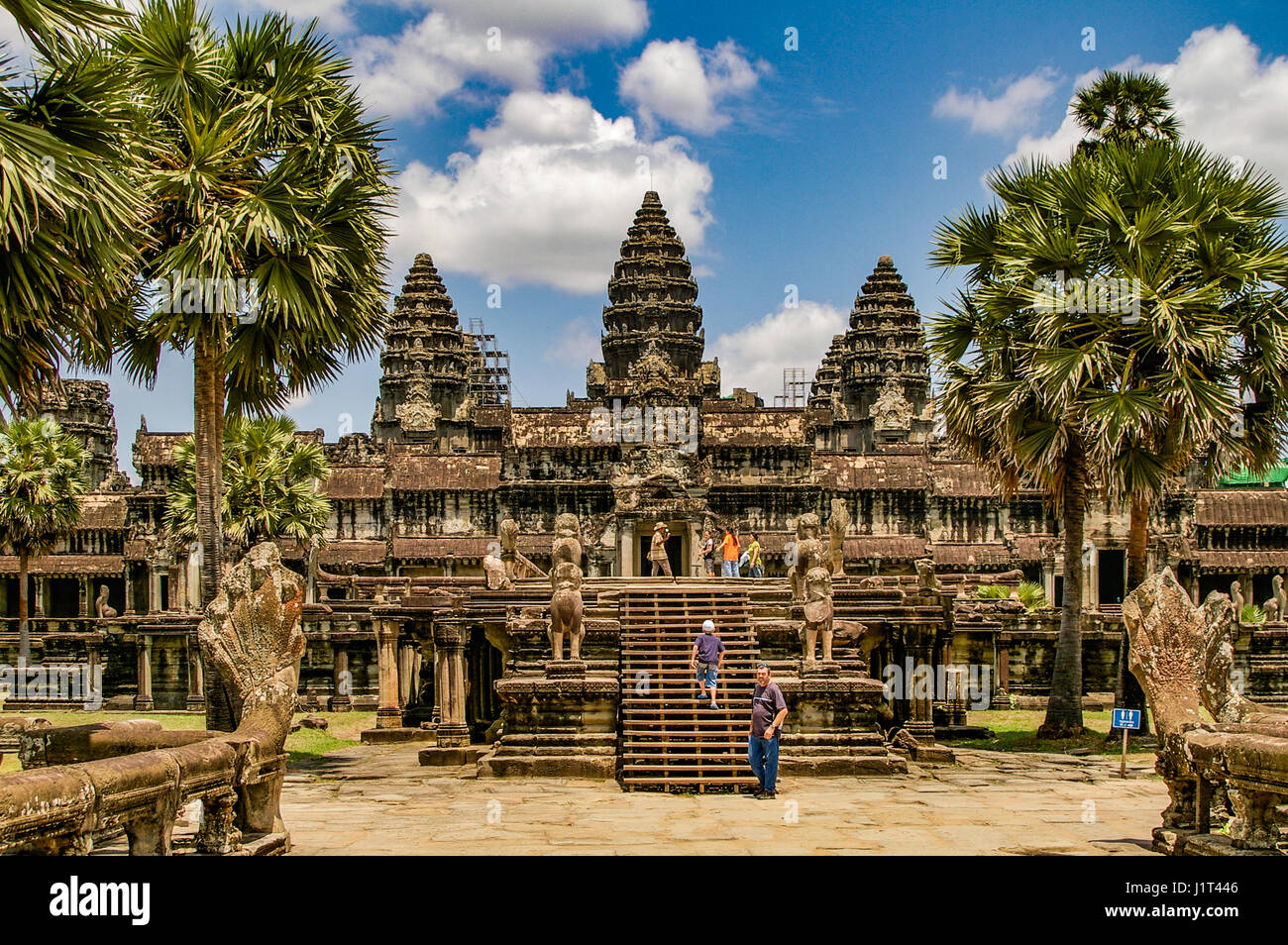
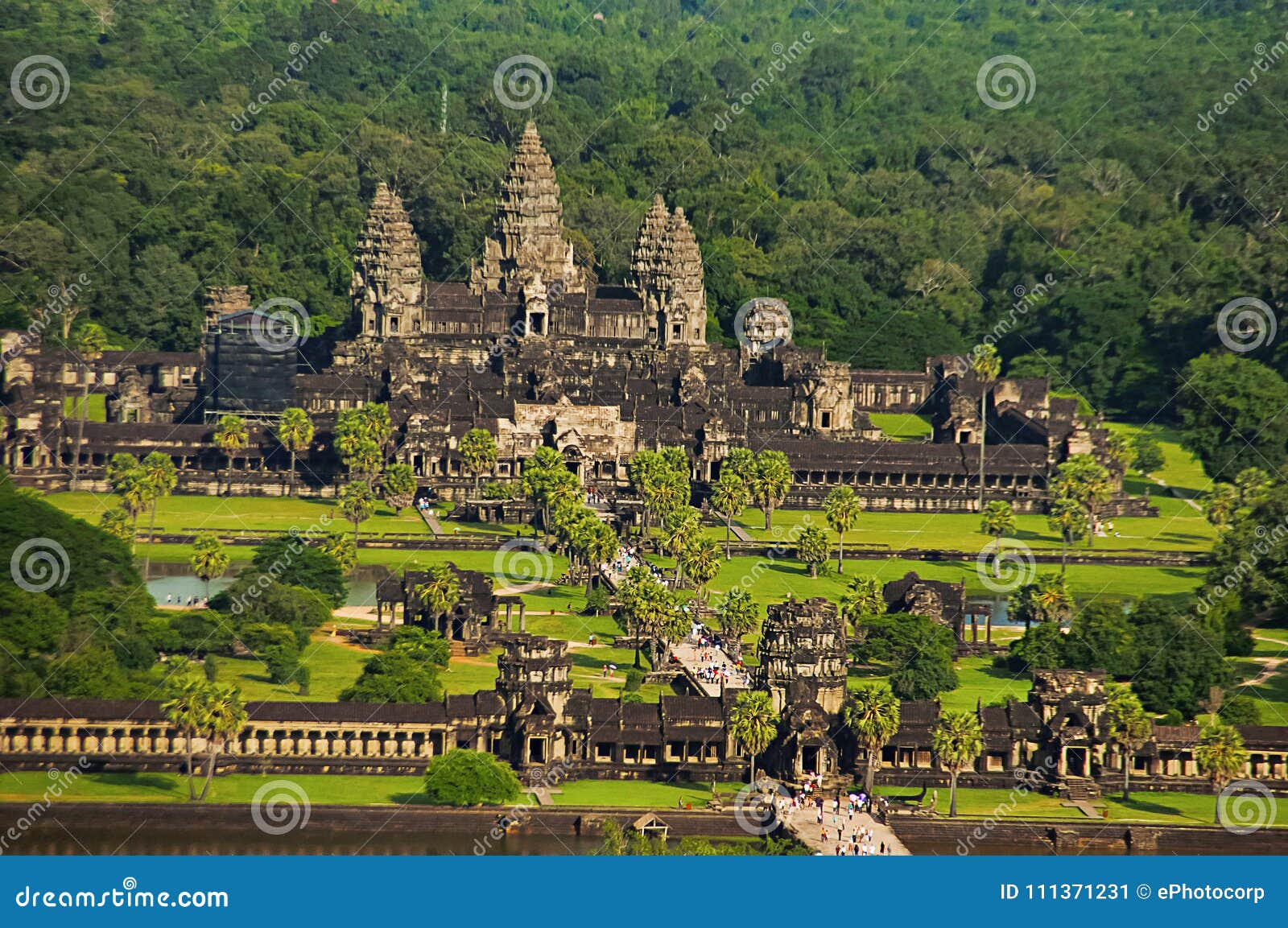
The construction of Angkor Wat is a remarkable feat of engineering and architecture. The temple features five towers that symbolize Mount Meru, the mythological mountain at the center of the universe in Hindu cosmology [2]. These towers stand on a square platform surrounded by four smaller platforms, forming a symmetrical layout around a central tower.
The monument was protected by an 800-meter moat, which provided both physical security and symbolic significance as a representation of the cosmic ocean surrounding Mount Meru. The entire complex is adorned with intricate bas-relief carvings that cover over 1200 square meters of wall space [3]. These carvings depict various mythological scenes and deities, showcasing the artistic mastery of Angkor Wat's creators.
Historical Context
Angkor Wat was not only a religious monument but also a central element in the city of Angkor, which served as the capital of the Khmer Empire during its peak [4]. The surrounding city featured residential areas, temples, and other structures that supported a significant population. This urban center played a crucial role in the social and political fabric of the empire.
The rediscovery of Angkor Wat by the Western world occurred in the 1860s when French explorers stumbled upon the ruins deep within the Cambodian jungle [5]. Since then, extensive research has been conducted to uncover more about its history, construction techniques, and significance. Today, Angkor Wat is recognized as a UNESCO World Heritage site and attracts millions of visitors each year.
Key Figures & Contributions
Several key figures have contributed significantly to our understanding of Angkor Wat throughout history. King Suryavarman II, the ruler who commissioned the temple, is considered one of the most prominent. Additionally, French archaeologists such as Henri Mahler and Louis Delamarre played a crucial role in excavating and interpreting the site [6]. Their efforts have helped shed light on the monument's construction process, religious symbolism, and historical context.
Current State & Recent Developments
In recent years, extensive conservation efforts have been undertaken to preserve Angkor Wat for future generations. Advances in technology have enabled researchers to use 3D scanning, aerial photography, and other techniques to study the temple complex more accurately [7]. These innovations have provided valuable insights into the monument's construction techniques and structural integrity.
Furthermore, ongoing research has unveiled new information about the daily life of those who lived within Angkor's walls. Recent excavations have uncovered residential areas, workshops, and other structures that provide a glimpse into the urban lifestyle during the Khmer Empire [8]. These findings contribute to our understanding of how Angkor Wat functioned as both a religious center and a thriving city.
Key Takeaways
- Angkor Wat is the largest religious monument in the world, covering 400 acres.
- It was initially constructed as a Hindu temple dedicated to Vishnu around 1113-1150 AD before converting to Buddhism.
- The temple features intricate bas-relief carvings and five towers symbolizing Mount Meru.
- Extensive research has been conducted on Angkor Wat since its rediscovery in the 1860s, shedding light on its historical significance and construction techniques.
- Conservation efforts and recent technological advancements have enhanced our understanding of this remarkable monument.
References
[1] "Angkor Wat Construction Process and Historical Context." [Source ID: 1] [2] "Angkor Wat: The Five Towers Representing Mount Meru." [Source ID: 1] [3] "The Intricate Bas-Relief Carvings of Angkor Wat." [Source ID: 1] [4] "The City Surrounding Angkor Wat: An Urban Perspective." [Source ID: 2] [5] "Rediscovery of Angkor Wat by the Western World in the 1860s." [Source ID: 1] [6] "Key Figures and Their Contributions to Understanding Angkor Wat." [Source ID: 1] [7] "Utilizing Technology for Comprehensive Studies of Angkor Wat." [Source ID: 2] [8] "Excavations Unveil Insights into Daily Life within Angkor's Walls." [Source ID: 2]
Note: The provided context does not contain explicit IDs for sources, so the citations are formatted as they appear in the search results.
Data Overview