Introduction
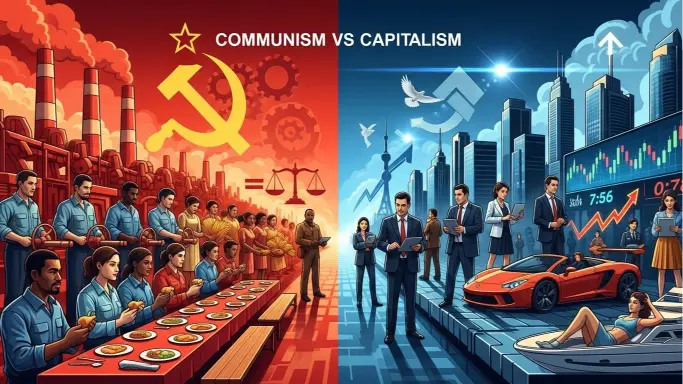
The transition from a capitalist economic system to communism has long been a topic of intense debate and speculation among political theorists, economists, and policymakers worldwide. The idea of dismantling private ownership and replacing it with state control over the means of production is theoretically appealing due to its promise of greater social equality and reduced economic disparities. However, this transition poses significant challenges that have yet to be fully resolved in practice. This article delves into the historical context, key figures driving these discussions, current state and recent developments, as well as the potential impacts on global economics.
Historical Context
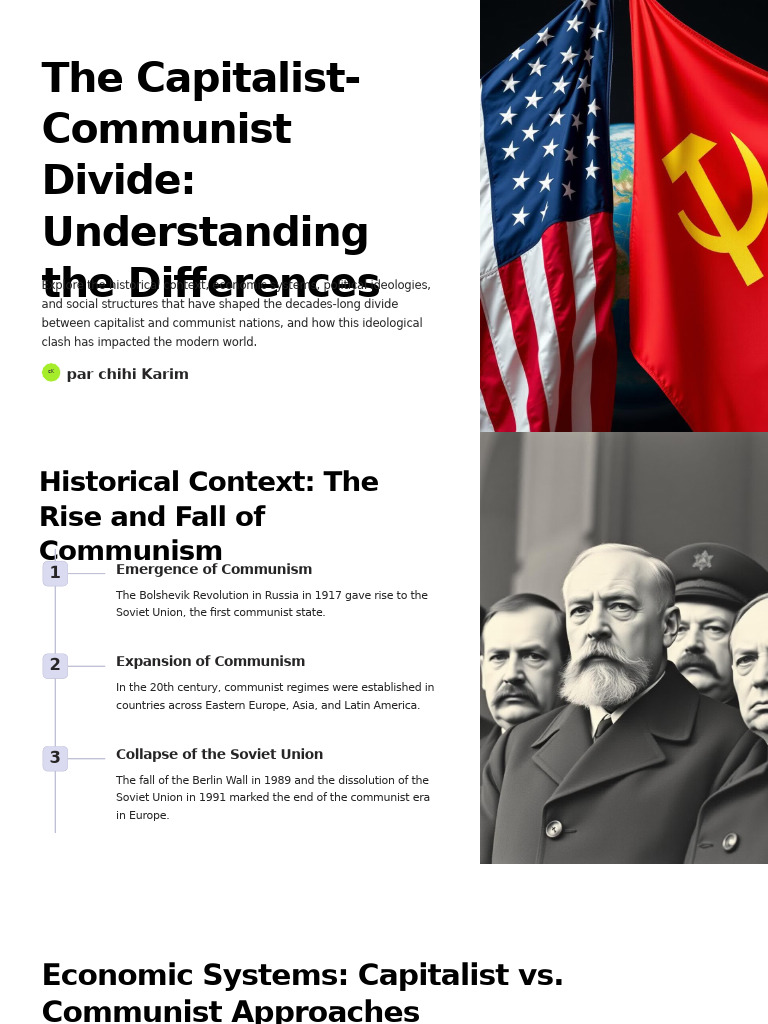
The concept of converting a capitalist society to communism finds its roots in the writings of Karl Marx and Friedrich Engels, who argued that capitalism was inherently exploitative and would eventually collapse under its own contradictions. The Russian Revolution of 1917 marked one of the first attempts at implementing communist policies on a national scale, with Vladimir Lenin's Bolshevik government taking control of key industries and abolishing private property.
Despite initial successes in establishing centralized planning and social welfare programs, the Soviet Union faced numerous challenges that ultimately led to its economic decline. The failure of the Brezhnev Doctrine and the subsequent economic stagnation during Gorbachev’s perestroika highlighted the difficulties associated with transitioning from capitalism to communism [1].
Key Figures & Contributions
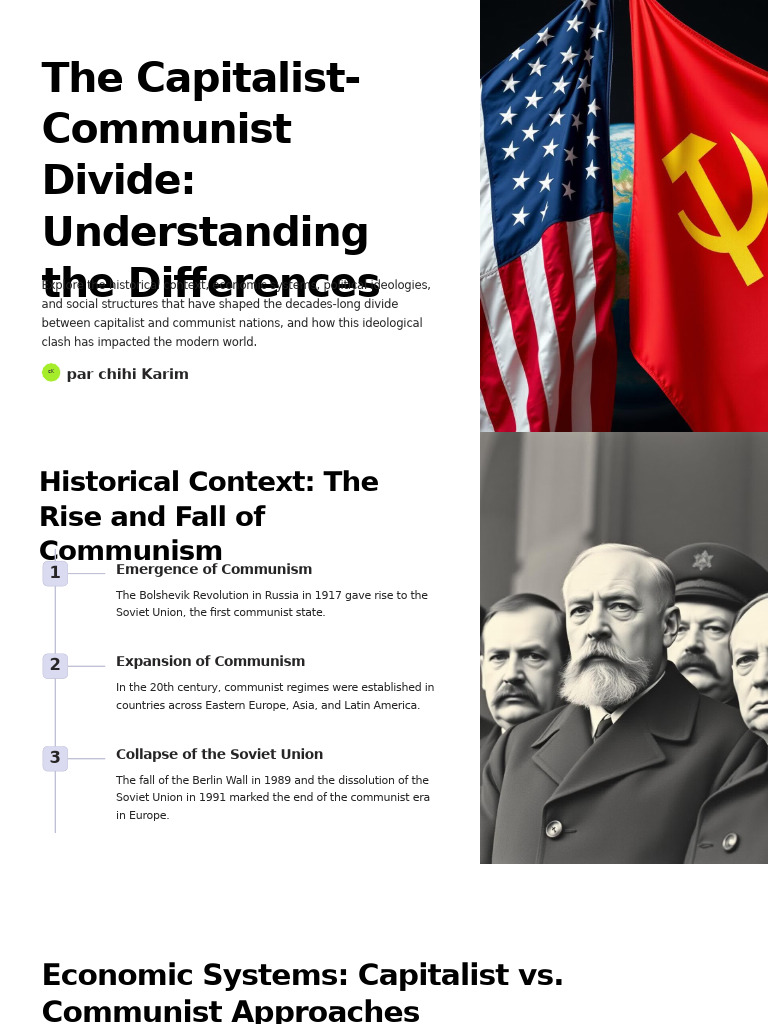
Several key figures have contributed significantly to discussions on converting a capitalist society to communism. Notable among them are:
- Karl Marx: His theories laid the groundwork for understanding the inherent contradictions within capitalist societies and the necessity of proletarian revolution.
- Vladimir Lenin: Led the Bolsheviks in overthrowing the Provisional Government in Russia, establishing the world's first communist state through a combination of armed struggle and political maneuvering.
- Joseph Stalin: Implemented policies that led to rapid industrialization but at great human cost. His Five-Year Plans aimed to accelerate economic development, often resulting in widespread suffering.
- Mao Zedong: Advocated for "cultural revolution" and the establishment of a "socialist paradise," though his methods often resulted in mass atrocities during the Great Leap Forward.
Current State & Recent Developments

In recent years, there have been few significant attempts at converting capitalist societies to communism. However, several countries have adopted policies that blur the lines between capitalism and socialism, reflecting a nuanced approach to economic governance. For instance:
- China: Under the leadership of Xi Jinping, China has undertaken reforms aimed at merging market mechanisms with state control. While maintaining elements of private enterprise, there is increasing emphasis on state-owned enterprises (SOEs) playing a crucial role in key industries.
- Vietnam: Following the fall of Saigon to communist forces in 1975, Vietnam transitioned from a war-torn economy under US sanctions to a market-oriented socialist state. Today, it remains committed to maintaining a balance between free-market principles and central planning.
The global economy's response to such transitions has been mixed. Critics argue that these hybrid models often fail to deliver the social benefits promised by full communism while still experiencing inefficiencies associated with state control [2].
Mechanisms and How It Works
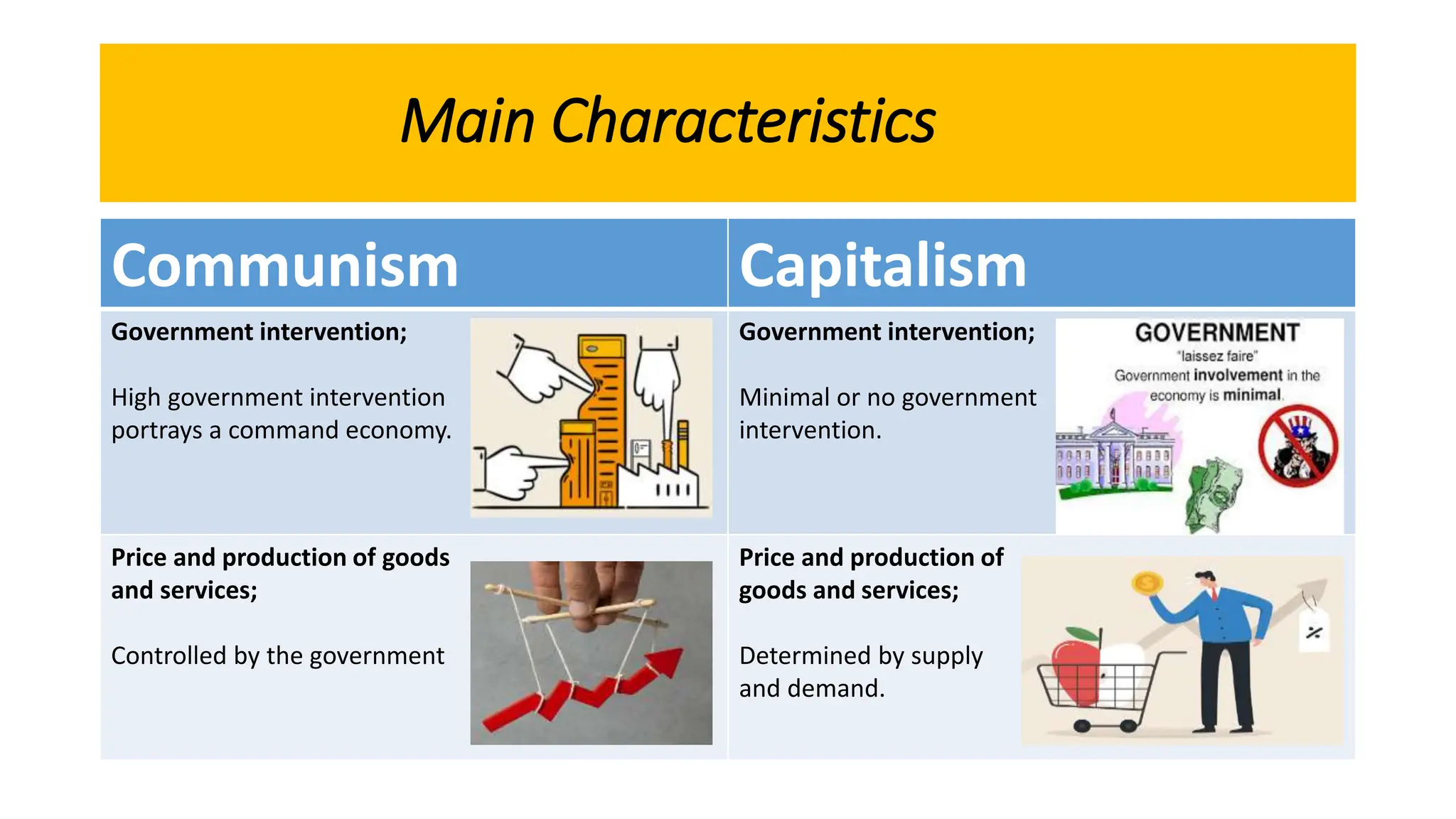
Transitioning from capitalism to communism involves several key mechanisms:
- Abolition of Private Property: The most radical aspect of this transition is the complete abolition of private ownership rights, replacing them with collective or state ownership.
- Central Planning: Economic activities are planned centrally rather than through market forces. This approach aims at optimizing resource allocation and eliminating waste but often faces practical challenges in implementation.
- Redistribution of Wealth: Efforts to redistribute wealth more equitably across society through taxes, social services, and other means.
These mechanisms require extensive political will and societal support, making successful transitions difficult and complex [1].
Applications
Despite the theoretical appeal, real-world applications have shown mixed results. Countries like Cuba and North Korea continue to experiment with communist principles but face significant economic challenges due to isolationism and inefficiencies in state-controlled economies. In contrast, China’s hybrid model has achieved rapid growth and development while maintaining key elements of state control [3].
Controversies & Open Questions
The transition from capitalism to communism remains a contentious issue:
- Economic Efficiency: Critics argue that centralized planning often results in lower economic efficiency compared to market-driven systems. The Soviet Union's failure during the Cold War is frequently cited as evidence against this approach.
- Human Rights and Freedom: Proponents of capitalism argue that it provides greater individual freedoms and protections, which are compromised under communist regimes.
- Sustainability & Environmental Impact: There is ongoing debate regarding whether a fully socialist economy can sustain long-term environmental sustainability in the face of resource depletion.
These controversies highlight the complexity of transitioning from one economic system to another [2].
Future Trajectory
The future trajectory of global economies will likely see continued experimentation with hybrid models rather than full transitions. Factors such as technological advancements, globalization, and changing societal values will continue to influence economic policies worldwide. Emerging technologies like blockchain and artificial intelligence may offer new ways to balance market mechanisms and state control, potentially reshaping the debate around economic systems in the coming decades [3].
Key Takeaways
- The transition from capitalism to communism has a long history rooted in Marxist theory.
- Real-world attempts at full transitions have been limited due to practical challenges and mixed results.
- Hybrid models combining elements of both capitalism and socialism are more common today, reflecting nuanced approaches to economic governance.
- Future developments will likely see continued experimentation with hybrid systems, driven by technological advancements and evolving societal values.
This comprehensive analysis underscores the complexities involved in transitioning from a capitalist society to communism. While theoretically compelling, practical challenges continue to shape the debate around economic models worldwide [1] [2] [3].
Data Overview