The study of the roots of religions is a fascinating endeavor that sheds light on the origins, development, and commonalities among various faith traditions across the globe. Comparative religion offers a unique perspective by analyzing and contrasting different religious doctrines, practices, and historical developments, revealing deeper insights into the universal questions and challenges addressed by these belief systems [1]. This article delves into the key takeaways from comparative studies, exploring themes such as creation myths, cosmology, rituals, worship, morality, and ethics, which are central to understanding the roots of religions.
Historical Context

The historical context of religious origins is rich with significant events that shaped various faiths. From ancient traditions like Hinduism and Buddhism to more recent developments in Christianity and Islam, each religion has a unique origin story rooted in specific cultural and geographical contexts [1]. For instance, Hinduism traces its roots back thousands of years through the Vedic period, while Buddhism emerged around 500 BCE with Siddhartha Gautama's enlightenment. Similarly, Christianity began in the first century CE with the life and teachings of Jesus Christ, followed by Islam's emergence in the seventh century under Prophet Muhammad [2].
Key Themes in Comparative Religion
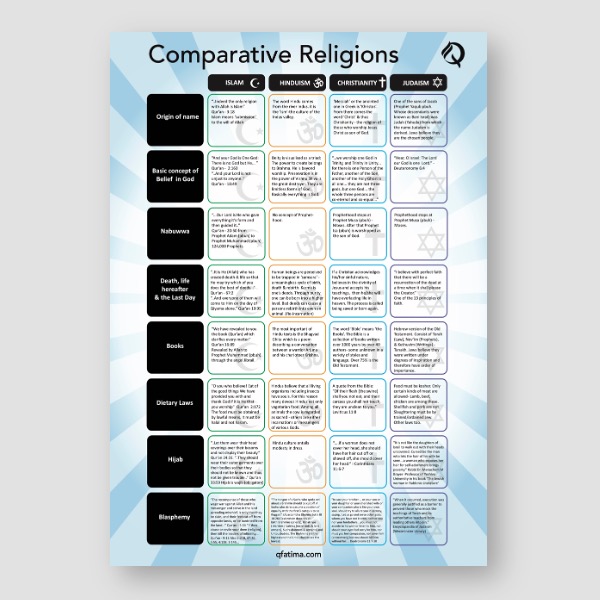
Comparative religion explores several key themes that are fundamental to understanding the roots of religions:
Creation Myths
Cosmology
Rituals and Worship Practices
Techniques in Comparative Religion

Several methods are employed in the study of comparative religion:
Historical Approach
Phenomenological Method
Sociological Studies
Key Figures in Comparative Religion

Various scholars have contributed significantly to the field:
- Mircea Eliade: Known for his work on comparative religion and mythology.
- Wilfred Cantwell Smith: A pioneer in the study of world religions, emphasizing historical and literary approaches [1].
- Ninian Smart: Developed a multifaceted approach known as the "seven dimensions of religion" to analyze religious traditions comprehensively.
Current State & Recent Developments
Recent breakthroughs include new insights into ancient texts and artifacts that shed light on early religious practices. Additionally, advancements in digital humanities enable scholars to explore vast collections of historical documents more efficiently [1].
Key Takeaways
By exploring these dimensions, we gain a deeper appreciation for the intricate tapestry of human spiritual heritage.