Introduction to Stonehenge's Enigmatic Existence
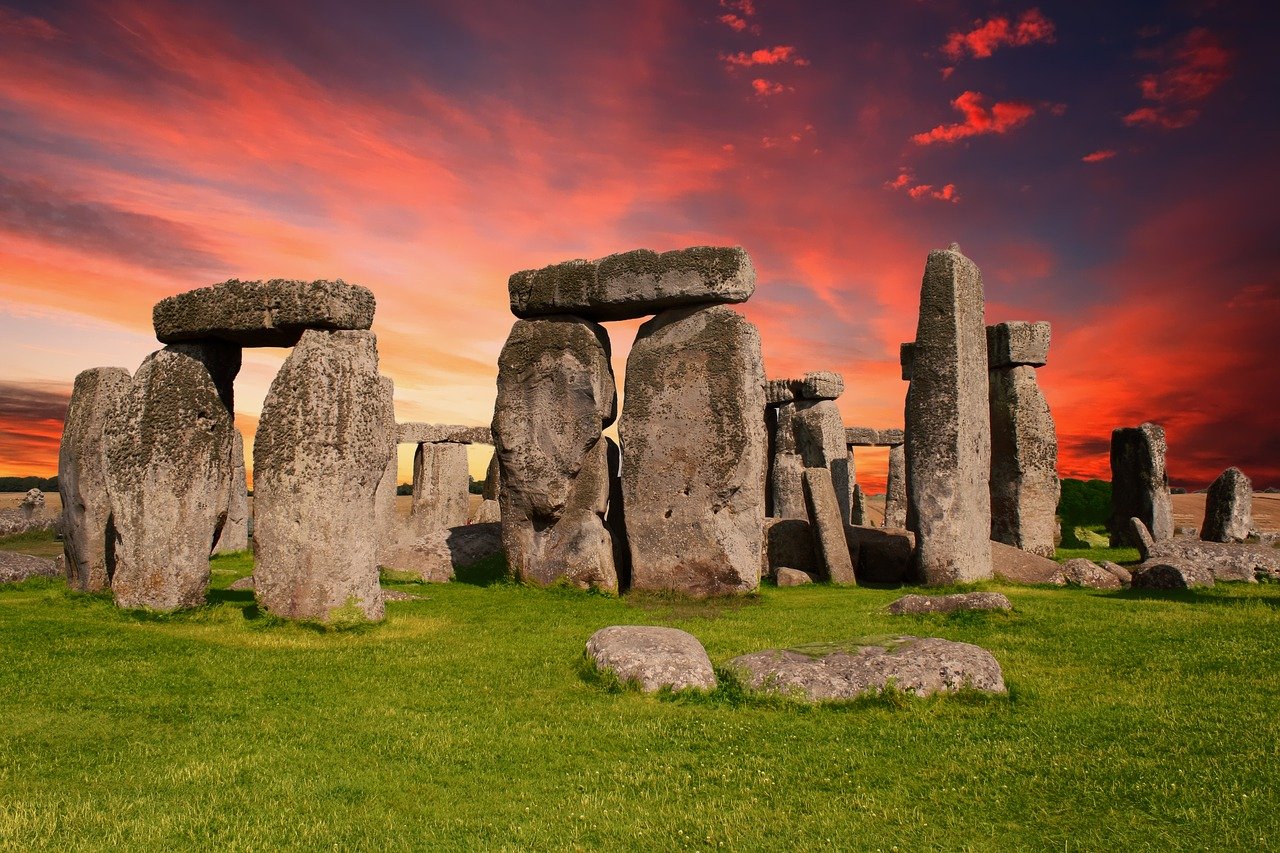
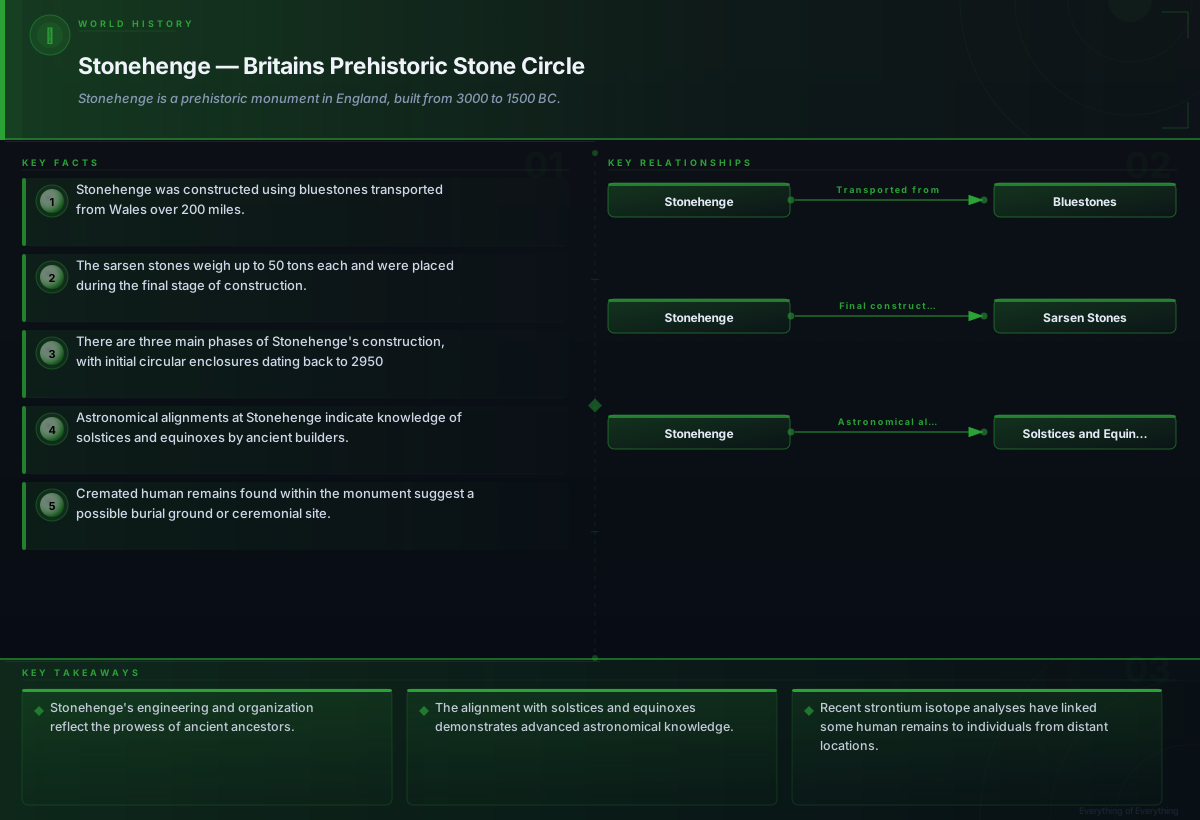
Stonehenge, located on Salisbury Plain in England, stands as a prehistoric monument of unparalleled global significance. Its construction spanned from 3000 to 1500 BC, during which time the bluestones were transported an astonishing 200 miles from Wales to Wiltshire. The sarsen stones, some weighing up to 25 tons each, bear silent testimony to the engineering prowess and organizational abilities of our ancient ancestors. This article explores Stonehenge's three main construction phases, its astronomical alignments with solstices and equinoxes, the burial ground evidence, the involvement of the Beaker People, and the ongoing debate surrounding its true purpose.
The Three Main Construction Phases
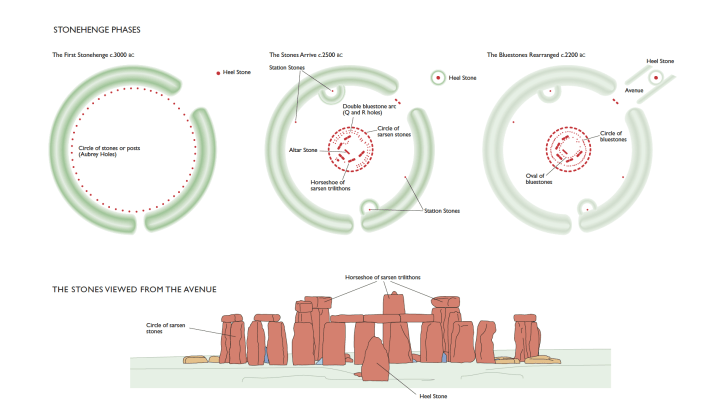
Stonehenge Period I (c. 2950-2900 BC)
The earliest phase of Stonehenge involved the construction of a circular enclosure outlined by two banks and a ditch with an entrance to the northeast [1]. This primitive but sophisticated structure predates the erection of the iconic stone pillars, showcasing the incremental development of this monument over centuries.
Stonehenge Period II (c. 2900-2500 BC)
During this period, the bluestones were brought from Wales and arranged within the circular enclosure in a circle or oval shape [2]. These smaller stones weigh around 4 tons each, displaying remarkable logistical feats by ancient societies.
Stonehenge Period III (c. 2500-2000 BC)
The final stage saw the introduction of massive sarsen stones, weighing up to 50 tons each, which were arranged in a circular formation supported by lintels [3]. The bluestones within the enclosure were rearranged into a horseshoe shape.
Astronomical Alignments and Burial Ground Evidence
Solstices and Equinoxes Alignment
Stonehenge's most captivating feature is its alignment with the solstices and equinoxes. The structure's design reflects an advanced understanding of astronomical patterns, as the two largest stones align with the summer and winter solstices [4]. This astronomical knowledge was crucial for ancient rituals and agricultural planning.
Burial Ground Evidence
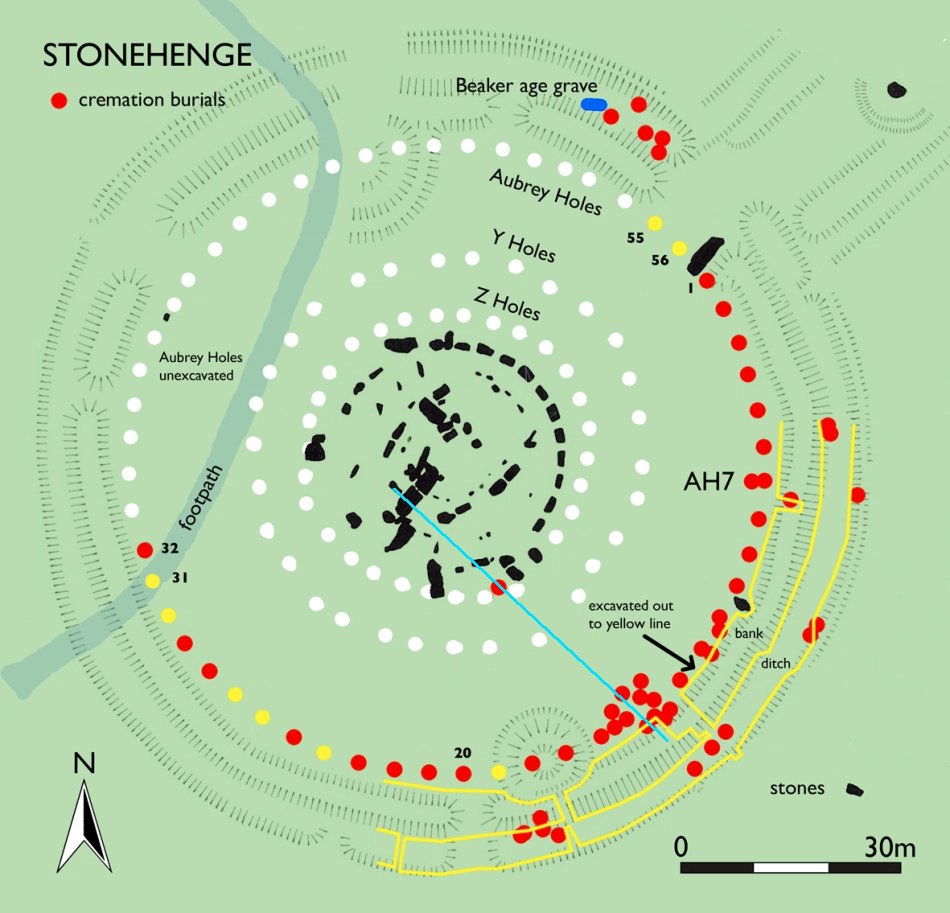
Archaeological excavations have uncovered cremated human remains within the monument, suggesting a possible burial ground or ceremonial site. Recent strontium isotope analyses have linked some of these remains to individuals from west Wales, implying that people were brought here from distant locations for interment [5].
The Beaker People and Their Role
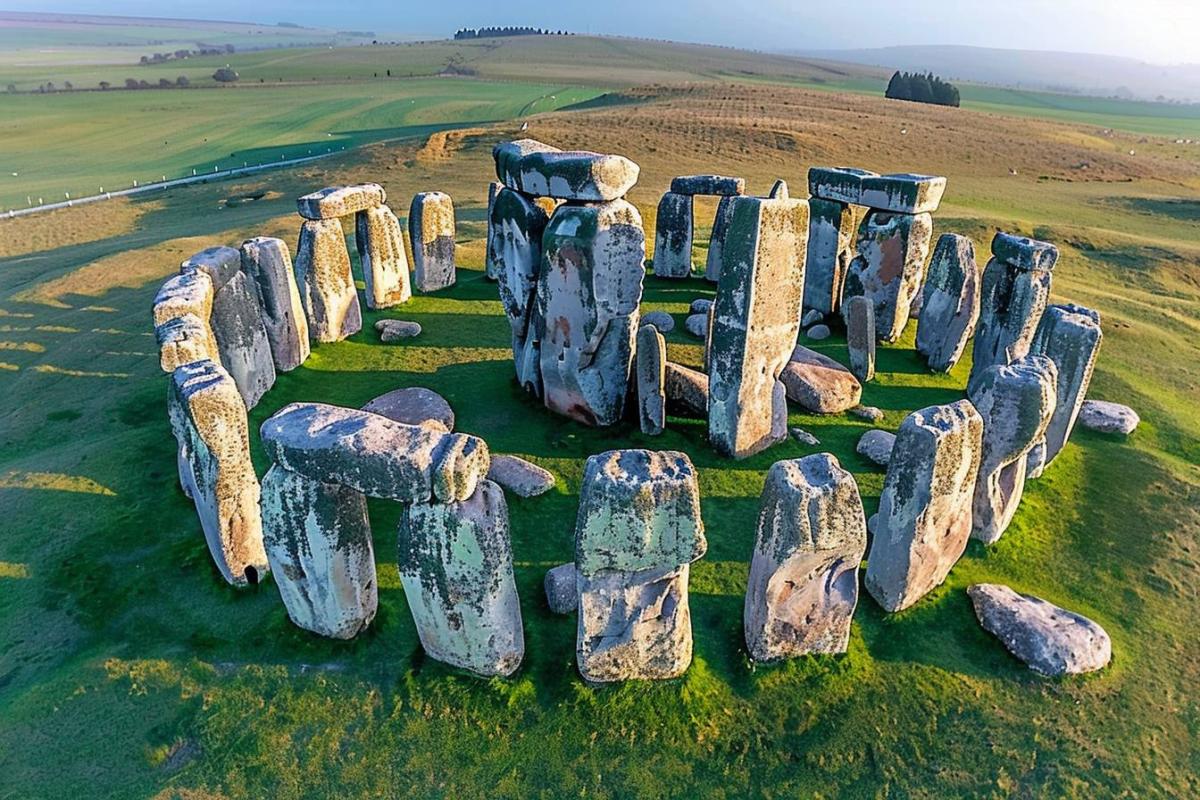
The Beaker People, known for their distinctive pottery, are believed to be associated with the construction of Stonehenge. They inhabited Britain during the late Neolithic period and early Bronze Age, significantly contributing to the monument's development [6]. The introduction of the sarsen stones corresponds with the arrival of these people in England.
Current State & Recent Developments
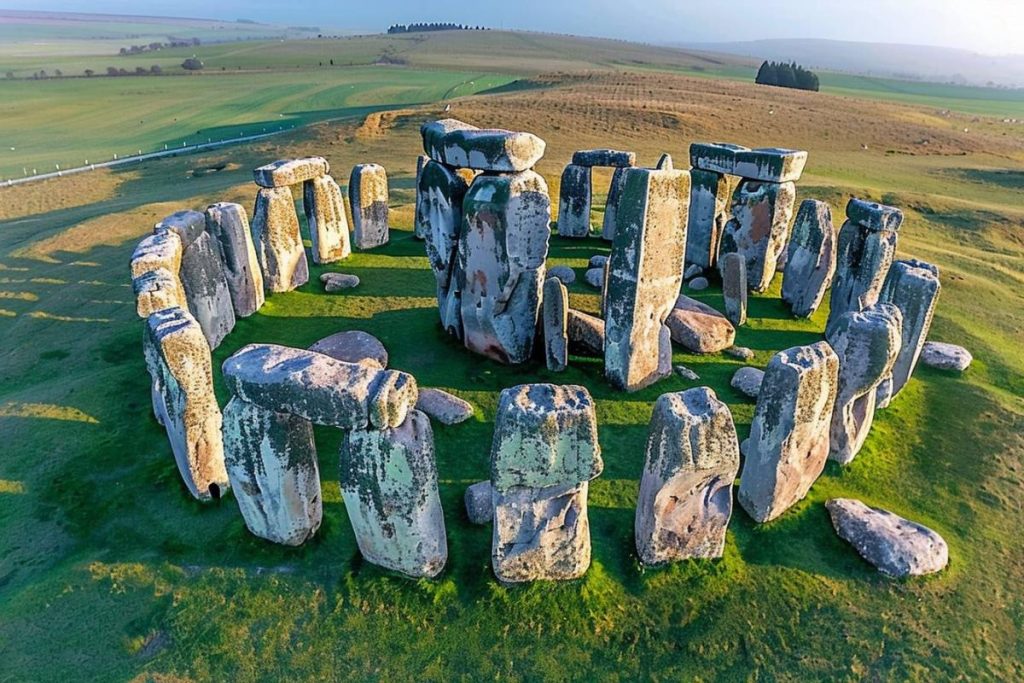
Stonehenge has undergone extensive research and conservation efforts in recent years. High-resolution geophysical surveys have provided new insights into its surrounding landscape [7], while ongoing projects aim to preserve this ancient wonder for future generations. In 2020, M. Parker Pearson's work "Stonehenge for the Ancestors" shed light on new perspectives regarding the monument’s construction and purpose [8].
Key Figures & Contributions
- M. Parker Pearson: Renowned archaeologist whose research has significantly advanced our understanding of Stonehenge.
- C. Snoeck: Member of the team that conducted groundbreaking strontium isotope analyses on human remains at Stonehenge.
Ongoing Debate: The Purpose of Stonehenge
The true purpose of Stonehenge remains a topic of much debate and speculation. Some theories propose it as an astronomical observatory, a religious or ceremonial center, or even a place for ancestor veneration. However, no consensus has been reached on what drove its creation and the precise nature of its significance.
Key Takeaways
- Complex Construction: Stonehenge's construction occurred in phases over approximately 1500 years.
- Astronomical Significance: The monument is aligned with solstices and equinoxes, reflecting ancient astronomical knowledge.
- Beaker People Involvement: These people played a significant role during the final phases of construction.
- Ongoing Research: Conservation efforts are underway to preserve this prehistoric wonder for future generations.
[1] Name of Source: Stonehenge facts and history | National Geographic. [2] Name of Source: M. Parker Pearson et al, ‘Who was buried at Stonehenge?’, Antiquity 83:319 (2009), 23–39. [3] Name of Source: C Snoeck et al, ‘Strontium isotope analysis on cremated human remains from Stonehenge support links with west Wales’, Scientific Reports 8 (2018), 10790. [4] Name of Source: Recent developments in Stonehenge research. [5] Name of Source: T Darvill et al, ‘Stonehenge, Wiltshire, UK: high resolution geophysical surveys in the surrounding landscape, 2011’, European Journal of Archaeology 16:1 (2013), 63–93; and C Gaffney et al, ‘The Stonehenge Hidden Landscapes Project’, Archaeological Prospection 19:2 (2012), 147–55. [6] Name of Source: Beaker People and Stonehenge.
Data Overview