Introduction to Palestine
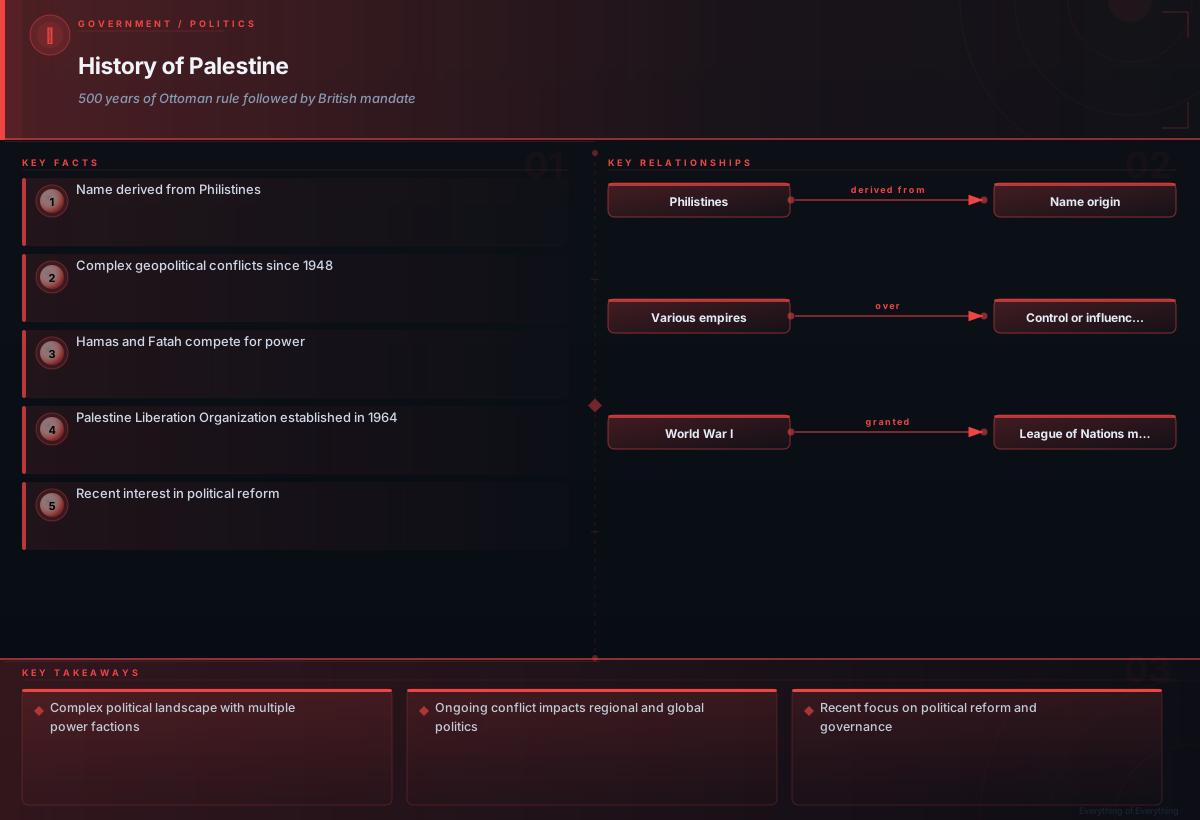
The concept of Palestine is complex and multifaceted, encompassing a rich history, diverse communities, and contested political boundaries. This territory has been at the heart of geopolitical conflicts for centuries, influencing global politics and international relations in profound ways. Understanding Palestine requires delving into its historical context, examining key figures and events that have shaped it, and analyzing current state dynamics.
Historical Context
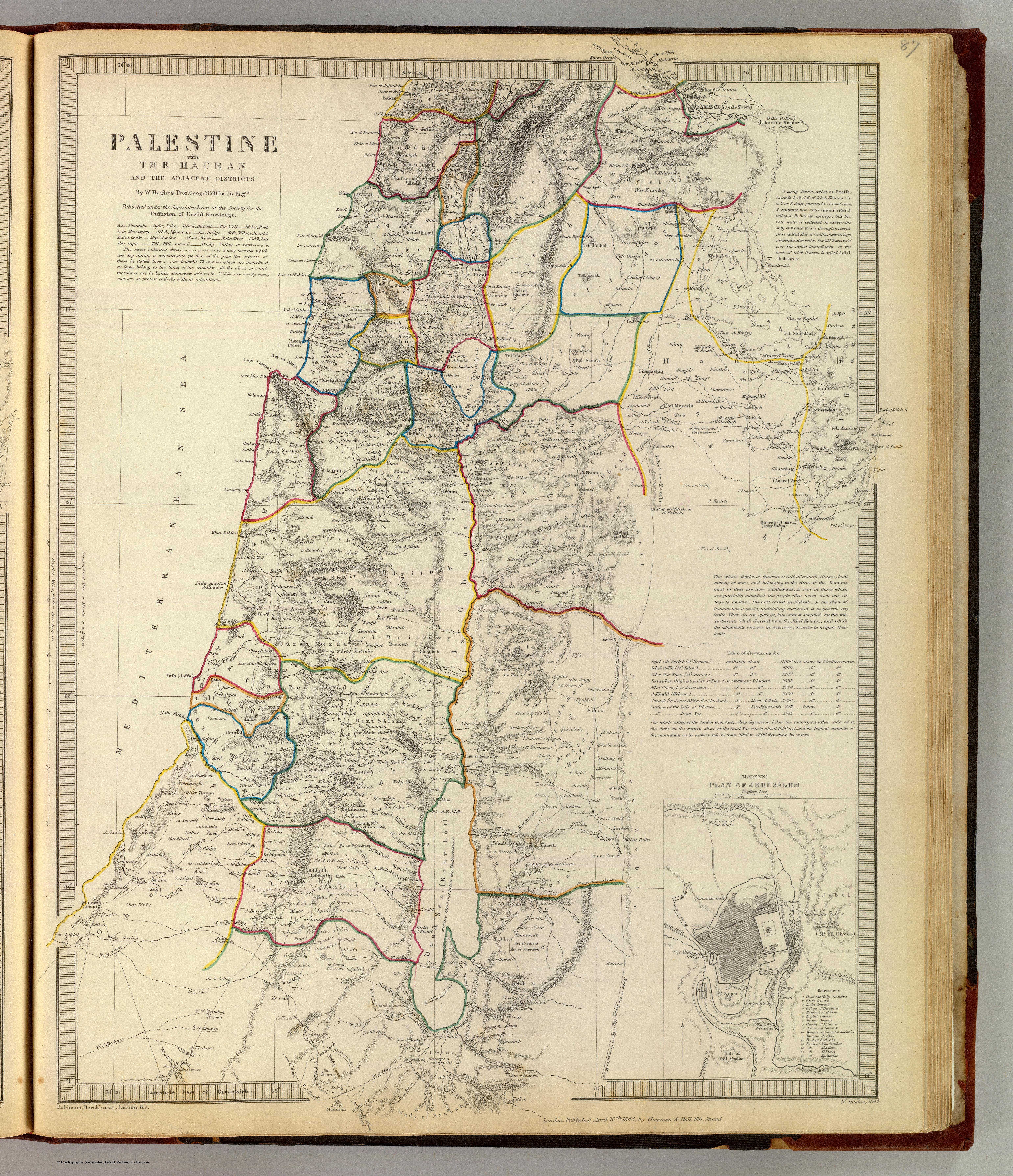
The name "Palestine" is derived from the Philistines, an ancient people who inhabited parts of the region around the 12th century BCE. Over millennia, various empires have controlled or influenced Palestine, including the Romans, Byzantines, Crusaders, Ottomans, and British. The modern political significance of Palestine gained prominence after World War I when the League of Nations granted Britain a mandate over the territory.
The establishment of Israel in 1948 further complicated the situation, leading to ongoing disputes between Israelis and Palestinians over land and sovereignty. This conflict has been characterized by numerous military operations, international diplomacy efforts, and significant cultural and political developments.
Key Figures & Contributions
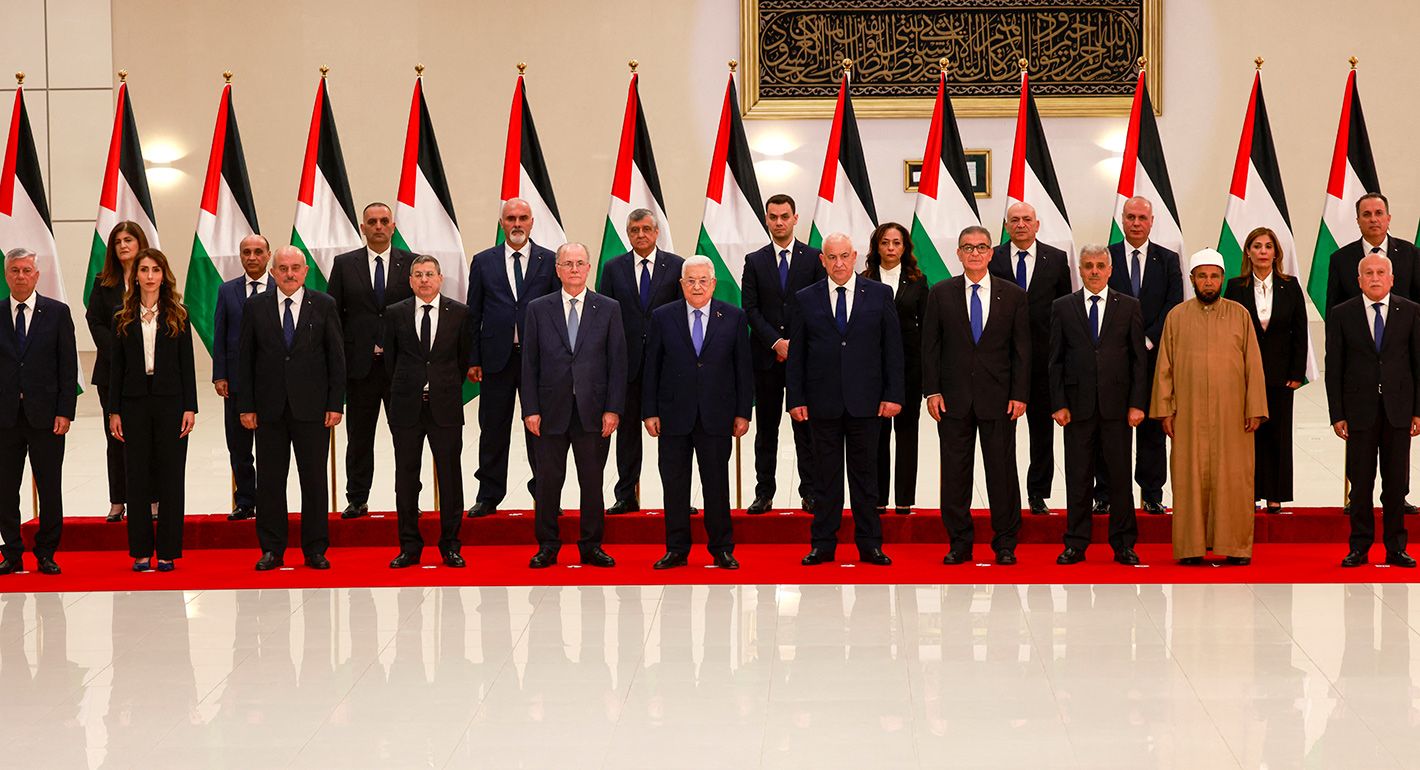
Several key figures and institutions have played crucial roles in shaping Palestine's history and politics. These include:
- Hamas: Formed in 1987 as a political group and now a major Palestinian organization, Hamas has been involved in numerous armed conflicts with Israel.
- Fatah: Founded by Yasser Arafat in 1959, Fatah is the largest Palestinian political party and has dominated the Palestine Liberation Organization (PLO).
- Palestine Liberation Organization (PLO): Established in 1964, the PLO represents the interests of Palestinians and has been instrumental in various peace processes.
These groups have contributed significantly to both the conflict and potential solutions. Their influence extends beyond politics into social services, education, and cultural preservation.
Core Mechanisms and How It Works
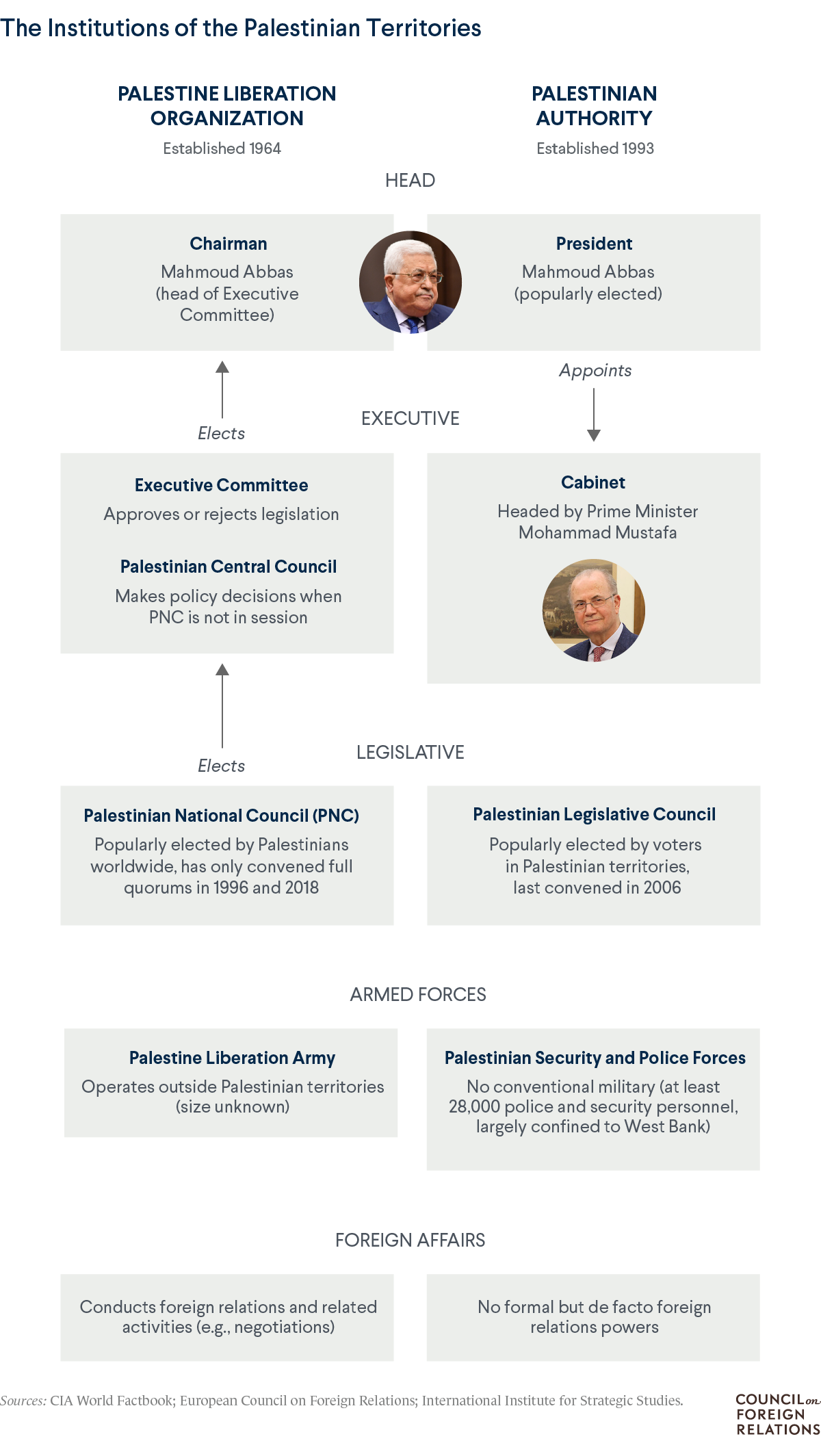
The dynamics of Palestinian governance are complex and multifaceted. The Palestinian Authority (PA) governs parts of the West Bank and Gaza Strip, while negotiations with Israel aim to establish a sovereign state. Key mechanisms include:
- Elections: Last held in 2006, elections have been rare due to political divisions.
- International Support: Organizations like the United Nations and various countries provide financial aid and diplomatic support.
- Internal Governance: The PA faces challenges of corruption and inefficiency.
Understanding these mechanisms requires examining their historical development and current functioning within the broader context of regional politics.
Current State & Recent Developments
Historical Background
Recent years have seen a resurgence in discussions about political reform among Palestinians. According to Nathan J. Brown, "the new proposals to transform Palestinian national institutions into viable state structures must display political realism" [1]. This shift is driven by international campaigns and domestic pressures.
Key Topics
- Elections: There has been renewed interest in holding fair and transparent elections.
- Textbook Revisions: Proposals include updating school textbooks to reflect more balanced narratives.
- Corruption: Efforts are ongoing to address corruption within the PA, which undermines public trust.
Challenges
Despite these developments, significant challenges remain. The international context is complex, with varying degrees of support from different countries and institutions. Additionally, internal divisions among Palestinians continue to pose obstacles to cohesive governance.
Applications, Case Studies, or Deployment Examples
The application of political reforms in Palestine faces numerous practical challenges. For instance, discussions about changing textbooks often raise questions about historical accuracy and its impact on national identity [2]. Similarly, attempts at election reform must address issues like voter turnout and the legitimacy of electoral processes.
Real-World Applications
One case study involves international efforts to support Palestinian state-building initiatives. The Carnegie Endowment for International Peace has published reports emphasizing the need for political realism in reform proposals [1].
Controversies, Open Questions, and Future Trajectory
Controversies surrounding Palestine revolve around issues of sovereignty, territorial integrity, and the nature of self-determination. Key questions include:
- The Role of External Actors: How much influence should international bodies have in mediating internal Palestinian disputes?
- Peace Process Continuity: Can a lasting peace be achieved through current mechanisms or is a new approach necessary?
Future Trajectory
Looking ahead, several factors will shape Palestine's future. Technological advancements and changing global dynamics could provide new avenues for diplomatic engagement and governance reform.
Key Takeaways
- The concept of Palestine encompasses historical, political, and cultural layers.
- Recent discussions focus on political realism in reform proposals.
- Internal divisions continue to impact Palestinian governance and state-building efforts.
- International support plays a crucial role but faces significant challenges.
- Future developments will likely depend on the balance between external influence and internal self-determination.
[1] Can Palestinian Politics Be Revived? | Carnegie Endowment for International Peace, 2025
[2] EastNorthAmericaSouth AmericaWorld’s TableCulture & ExperiencesAdventuresThe SpeciaListEarthWatch DocumentariesScienceNatural WondersClimate SolutionsSustainable BusinessGreen LivingAudioPodcast CategoriesRadioAudio FAQsVideoWatch DocumentariesBBC Maestro
Data Overview