Introduction and Significance
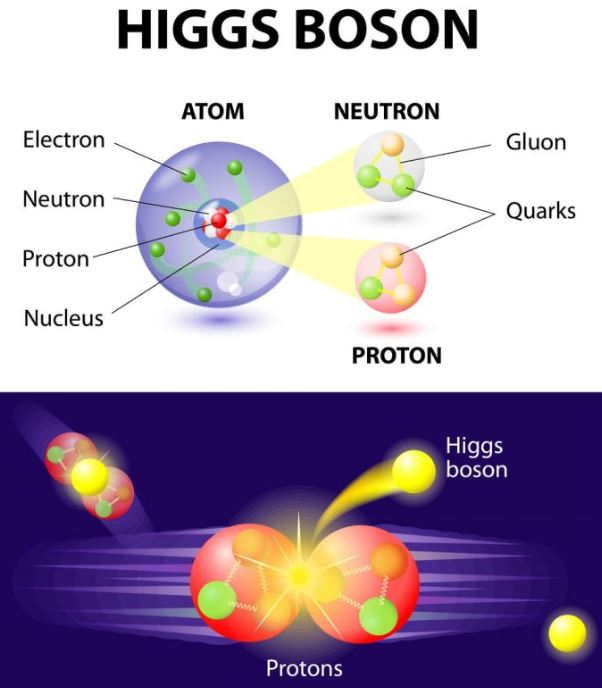
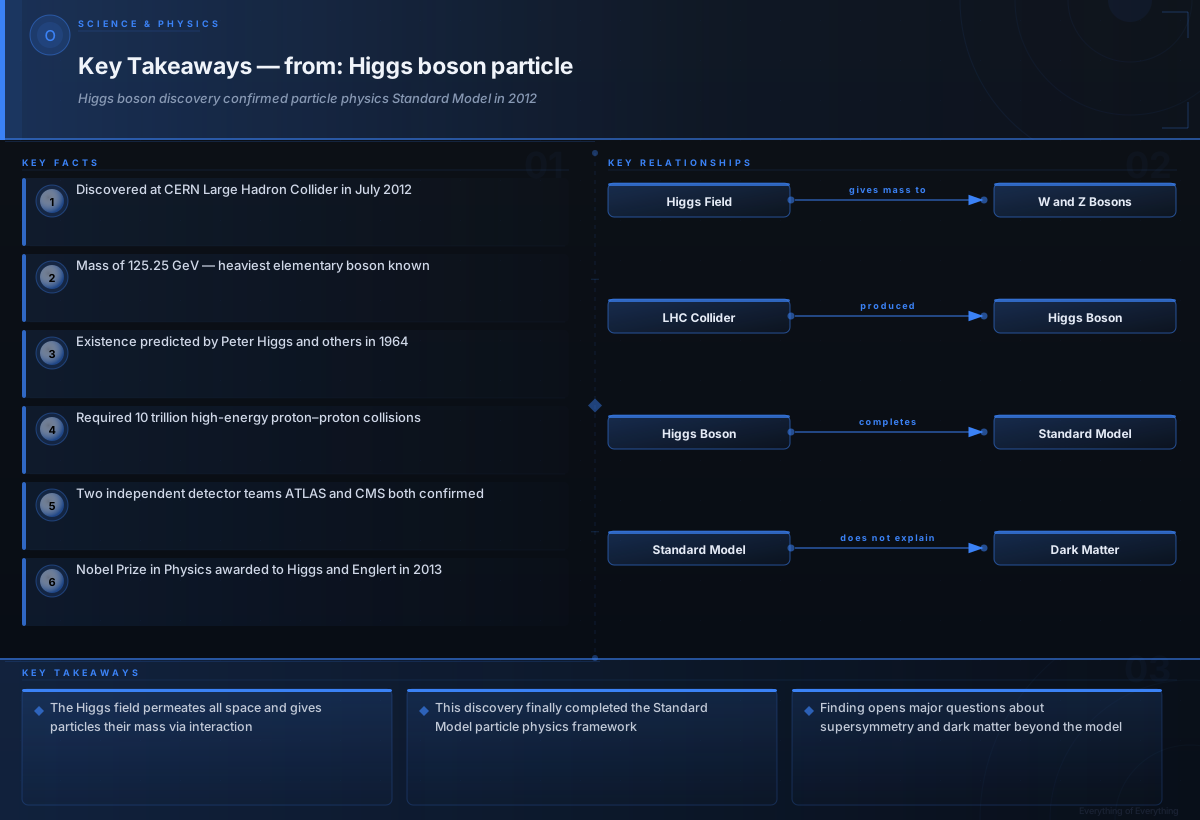
The discovery of the Higgs boson particle in 2012 at CERN’s Large Hadron Collider (LHC) marked a pivotal moment not only for experimental particle physics but also for our understanding of fundamental interactions in nature. This elementary particle is the quantum excitation associated with the Higgs field, which permeates all of space and gives other particles mass through their interaction with it. The confirmation of the Higgs boson completed the standard model of particle physics, a cornerstone of modern physics that explains how elementary particles acquire mass and how the electromagnetic force interacts with weak nuclear forces [1].
Historical Context
Proposed in 1964
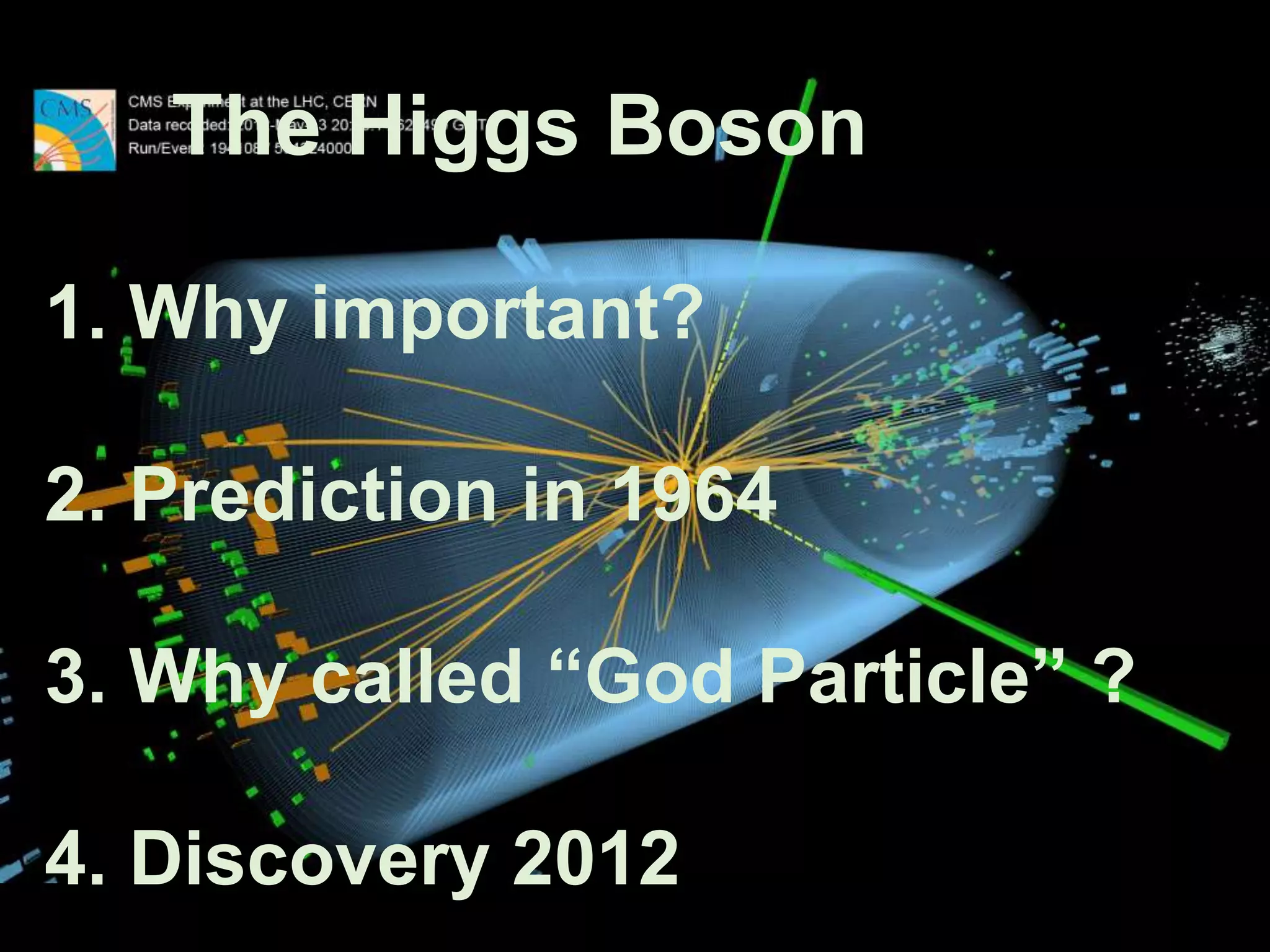
The concept of the Higgs mechanism was first proposed by physicist Peter Higgs and several others in 1964. In this groundbreaking work, it was theorized that a field permeating all of space could give particles mass by interacting with it. This theory explained why some elementary particles have mass while others do not, addressing a long-standing issue within the standard model [2].
Confirmation at CERN
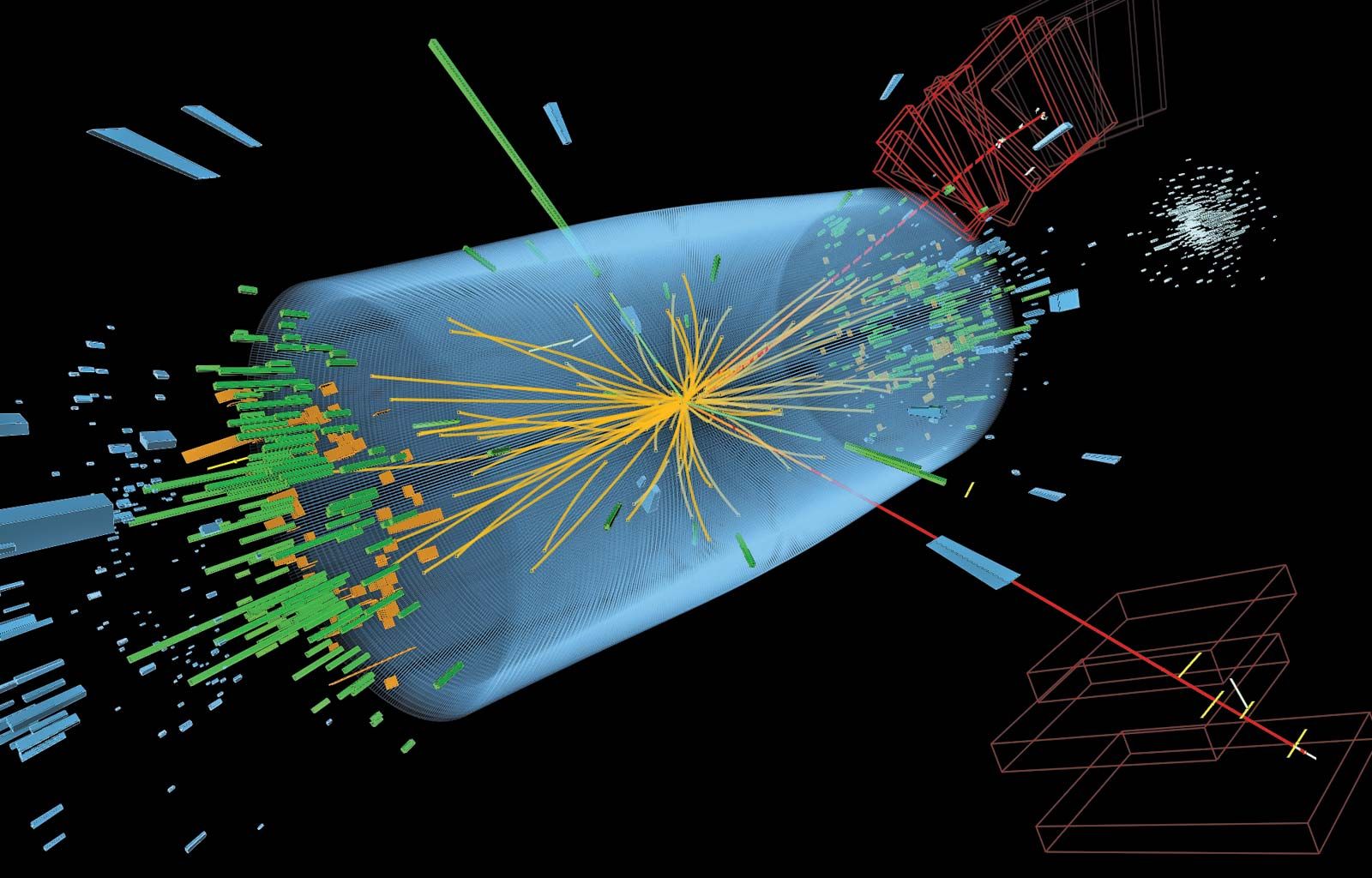
The confirmation of the Higgs boson came in 2012 through experimental measurements conducted by the ATLAS and CMS collaborations at the LHC. These experiments observed events consistent with the predicted properties of the Higgs boson, which had a mass of approximately 125 GeV/c² [3]. The discovery was celebrated as one of the major triumphs in particle physics, solidifying the standard model's framework for describing elementary particles and their interactions.
Key Figures & Contributions
Peter Higgs and Other Theorists
Peter Higgs is perhaps the most famous name associated with the theory, but several other physicists played crucial roles. François Englert, Robert Brout, and others contributed significantly to the theoretical underpinnings of what would become known as the Higgs mechanism [2].
CERN Collaborations
The ATLAS and CMS experiments were instrumental in confirming the existence of the Higgs boson. These collaborations involved thousands of scientists from around the world, working together to analyze vast amounts of data collected by the LHC [3]. The contributions of these institutions are central to our current understanding of particle physics.
Core Mechanism: How It Works
Interaction with the Higgs Field
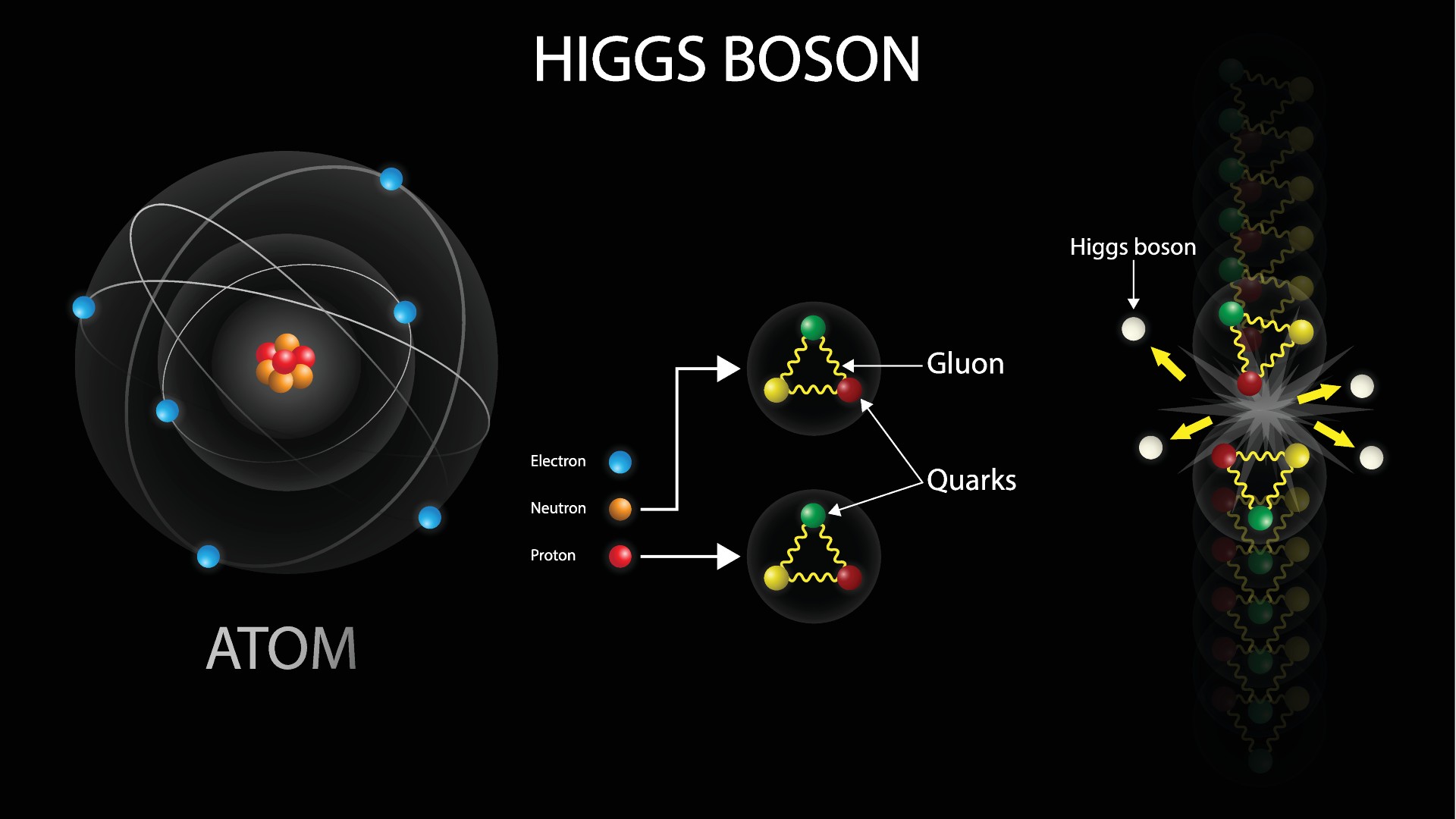
Particles acquire mass through their interaction with the Higgs field. This field is a manifestation of the Higgs mechanism, which breaks the symmetry in the electroweak force and gives rise to the Higgs boson [1]. The strength of this interaction determines the particle's mass; particles that interact more strongly with the Higgs field have greater mass.
Quantum Excitations
The Higgs field can be thought of as a quantum field, similar to other fields in physics. Quantum excitations of this field manifest as the Higgs boson [1]. These excitations are detected through their interactions and decays, providing direct evidence for the Higgs mechanism.
Applications and Real-World Implications
Standard Model Verification
The discovery of the Higgs boson confirmed key predictions within the standard model. This verification is crucial for establishing a coherent theoretical framework that can explain a wide range of physical phenomena [3].
Future Directions: Dark Matter and Beyond
Despite this significant achievement, many unanswered questions remain. One of the most pressing concerns is the nature of dark matter. The Higgs boson may play a role in explaining dark matter, but current theories are insufficient to provide definitive answers [4]. Additionally, the search for new particles beyond the standard model continues, with potential implications for unifying gravity and other fundamental forces.
Current State & Recent Developments
Precision Measurements
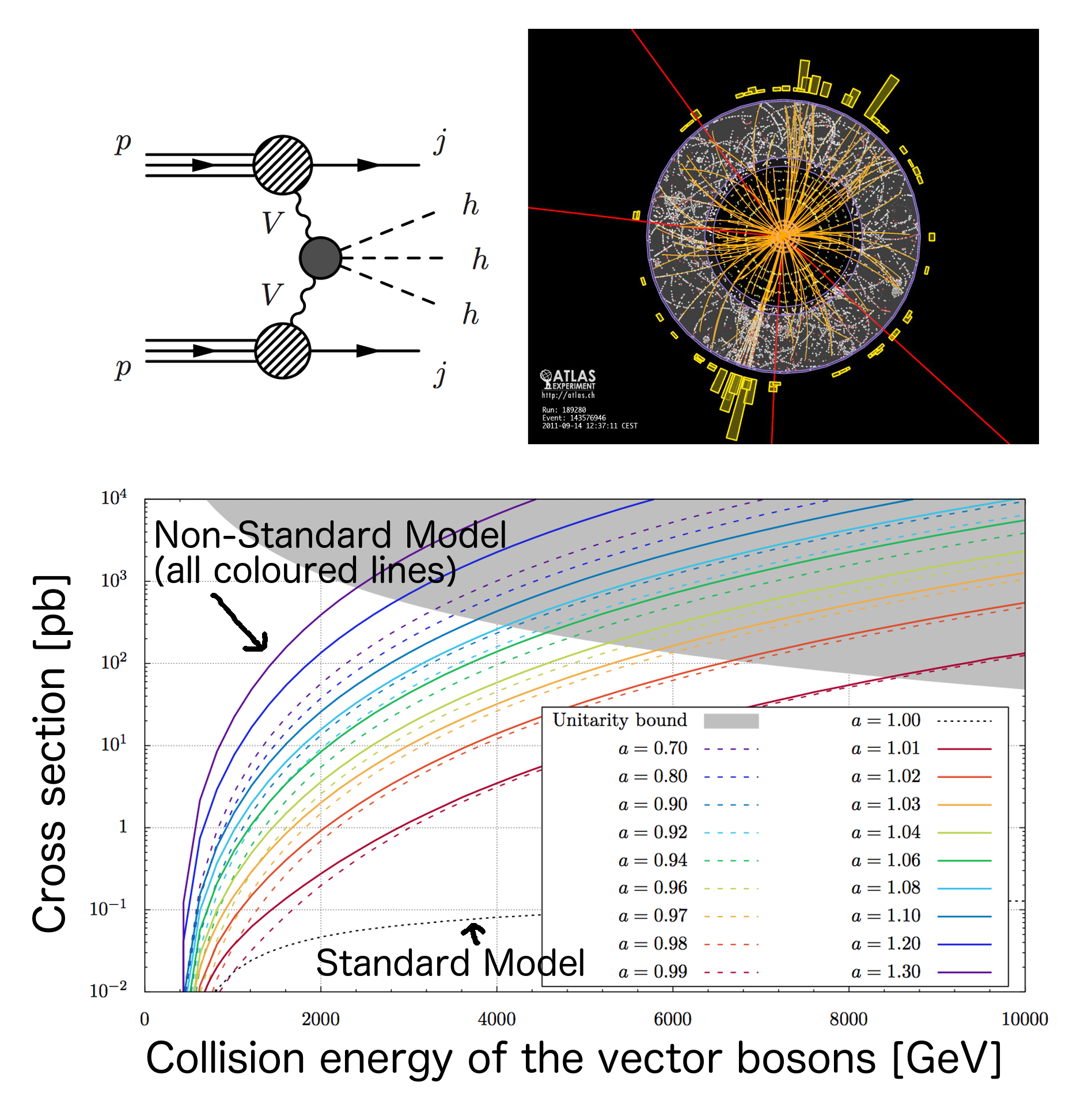
Recent years have seen ongoing efforts to measure the properties of the Higgs boson with increasing precision. These measurements aim to test the predictions of the standard model more rigorously and potentially reveal deviations that could hint at new physics [3].
Theoretical Extensions
Theorists continue to propose extensions to the standard model, such as supersymmetry or extra dimensions, which might explain some of the outstanding questions in particle physics. These theories often predict new particles that could be discovered through further LHC experiments [5].
Key Takeaways
- Confirmation of the Standard Model: The discovery of the Higgs boson solidified key predictions about elementary particle interactions and symmetry breaking.
- Ongoing Research: Precision measurements and theoretical extensions continue to refine our understanding of the Higgs mechanism, with implications for dark matter and beyond-the-Standard-Model physics.
- Higgs Field Mechanism: Particles acquire mass by interacting with the Higgs field, which is realized as a quantum excitation—the Higgs boson.
- Future Directions: Questions regarding dark matter, potential new particles, and unifying forces continue to drive research in particle physics.
- Key Institutions: Collaborations like ATLAS and CMS at CERN remain central to ongoing experiments and theoretical advancements.
References
[1]
Data Overview