Introduction and Why It Matters
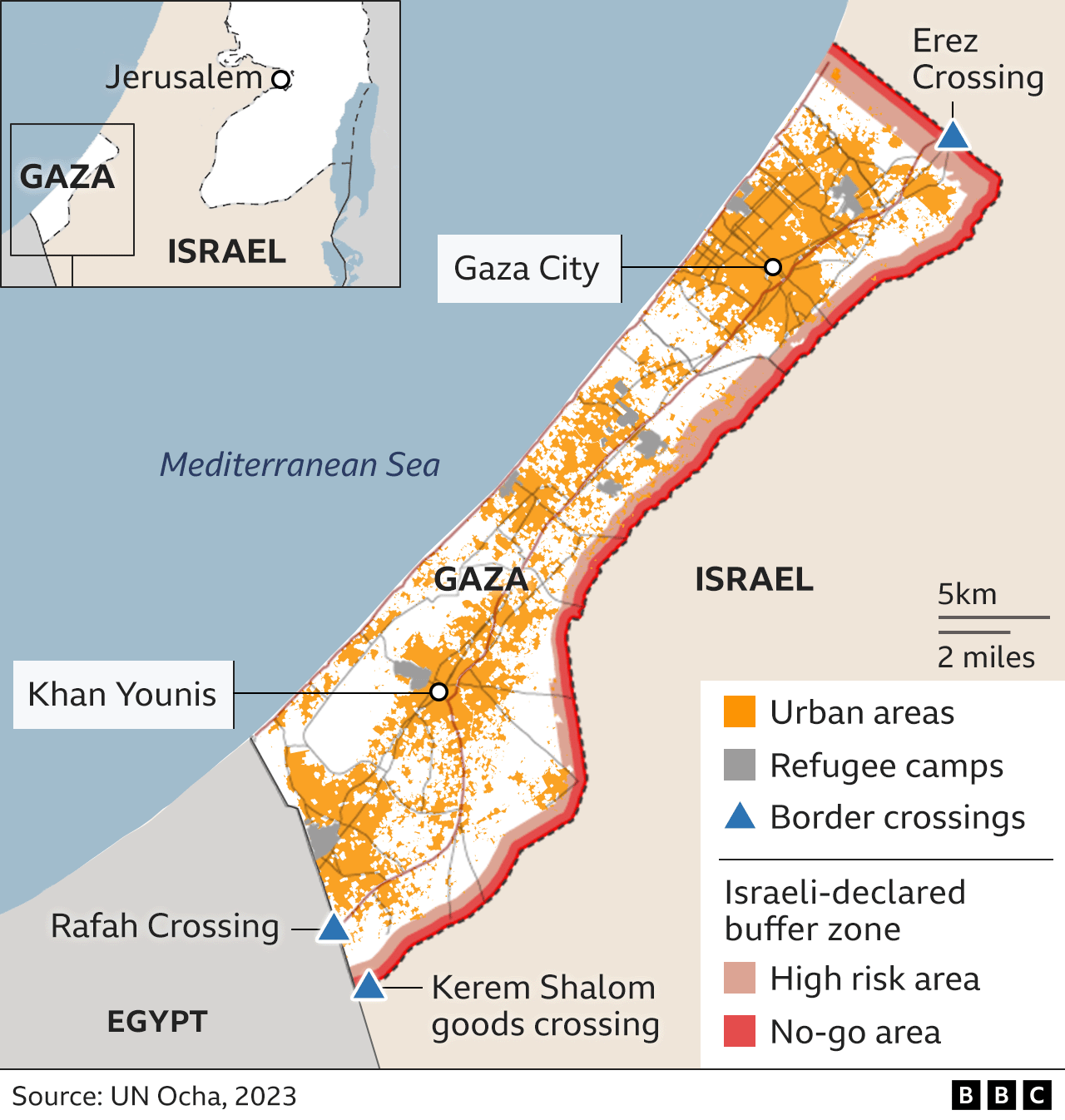
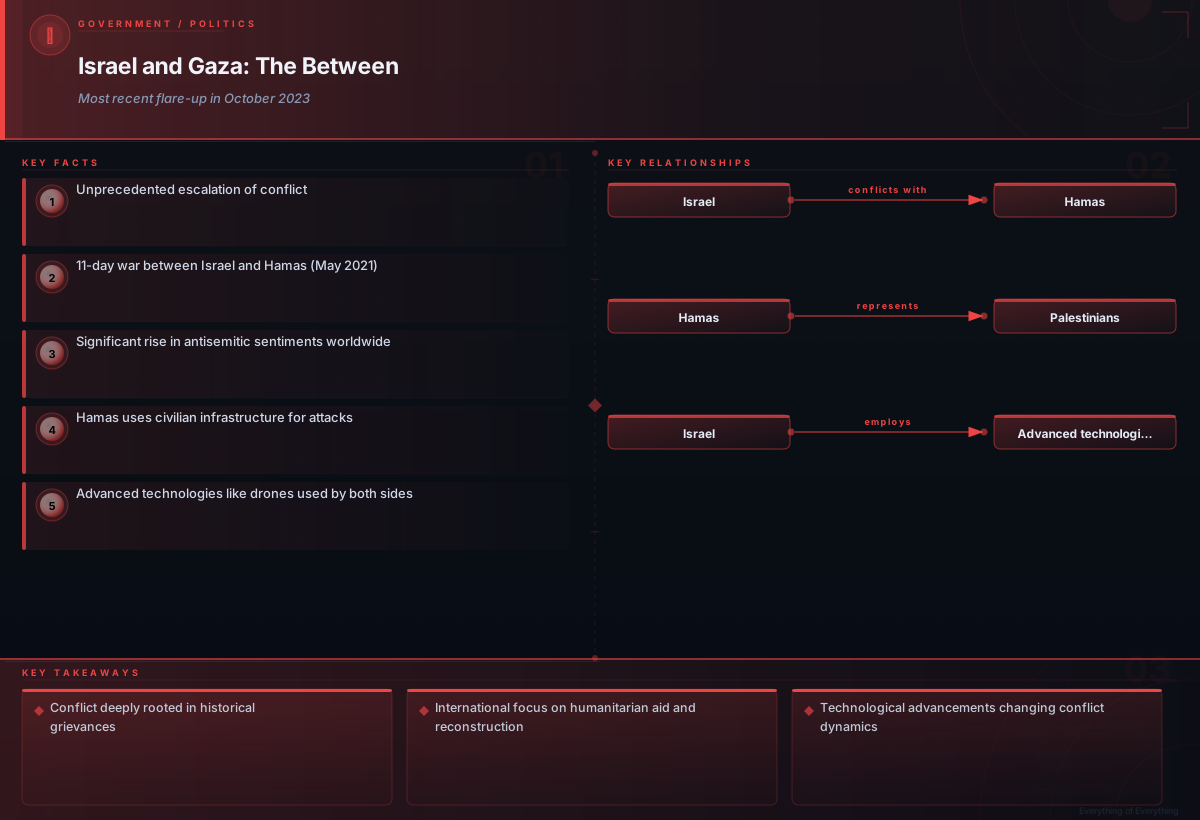
The conflict between Israel and Gaza has long been a cornerstone of the Middle East's geopolitical landscape, shaping regional stability and influencing global politics. The most recent flare-up in October 2023 was particularly significant, as it marked an unprecedented escalation that transcended local disputes to impact international relations and global security. This conflict is not merely a series of military engagements but a multifaceted struggle rooted in historical grievances, religious ideologies, and strategic interests. Understanding the dynamics of this conflict requires delving into its history, key players, mechanisms, and the complex interplay of political, social, and ethical issues that drive it.
Historical Context
The roots of the Israel-Gaza conflict extend far back to the 1948 Arab-Israeli War, when Israel declared independence and subsequently occupied Gaza in the Six-Day War of 1967. Over decades, tensions escalated with periodic outbreaks of violence. Notable conflicts include the May 2021 war between Israel and Hamas, which lasted for eleven days but had long-lasting impacts, including a significant rise in antisemitic sentiments worldwide [1].
Key Figures & Contributions
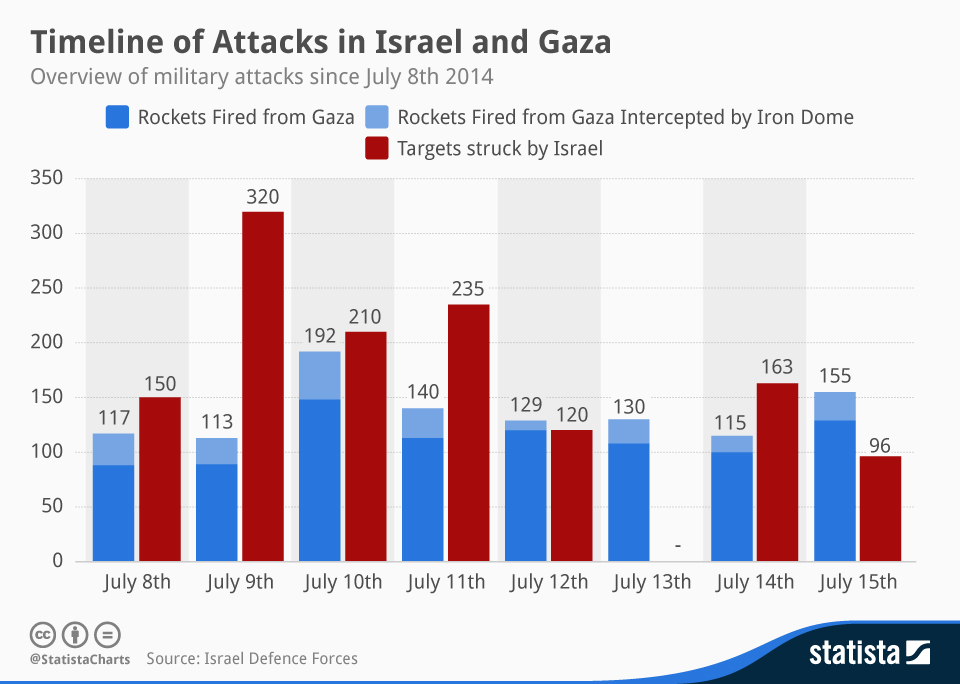
Several key figures have played crucial roles in shaping the conflict's trajectory and resolution efforts.
Hamas Leadership
Israeli Political Figures
Current State & Recent Developments
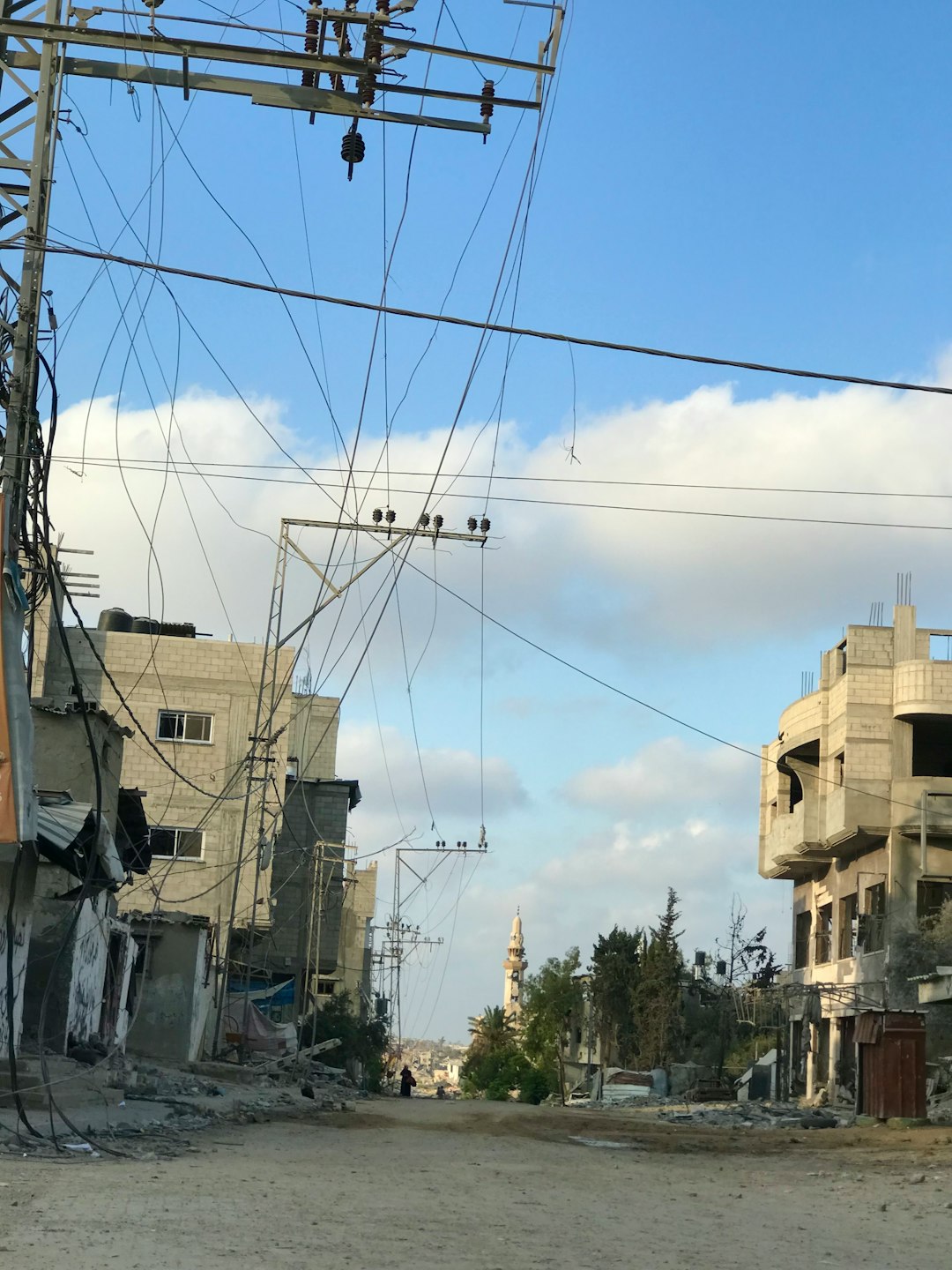
The October 2023 outbreak of violence in Gaza was a pivotal moment. This conflict involved intense exchanges of fire between Hamas and Israeli forces, resulting in substantial civilian casualties [2]. The immediate aftermath saw an increased focus on humanitarian aid and reconstruction efforts, with international organizations stepping in to provide assistance.
Mechanisms: How It Works
The conflict operates through a complex interplay of military strategy, political maneuvering, and social dynamics. On one hand, Israel's military employs advanced technological capabilities for surveillance and targeting. On the other, Hamas utilizes guerrilla tactics and asymmetric warfare, leveraging civilian infrastructure as cover to launch attacks.
Applications and Case Studies
One notable application is the use of drone technology by both sides. Israel has employed drones for reconnaissance and precision strikes, while Hamas uses them for surveillance and limited offensive capabilities [3]. These technologies have significantly altered the dynamics of conflict in this region.
Controversies and Open Questions
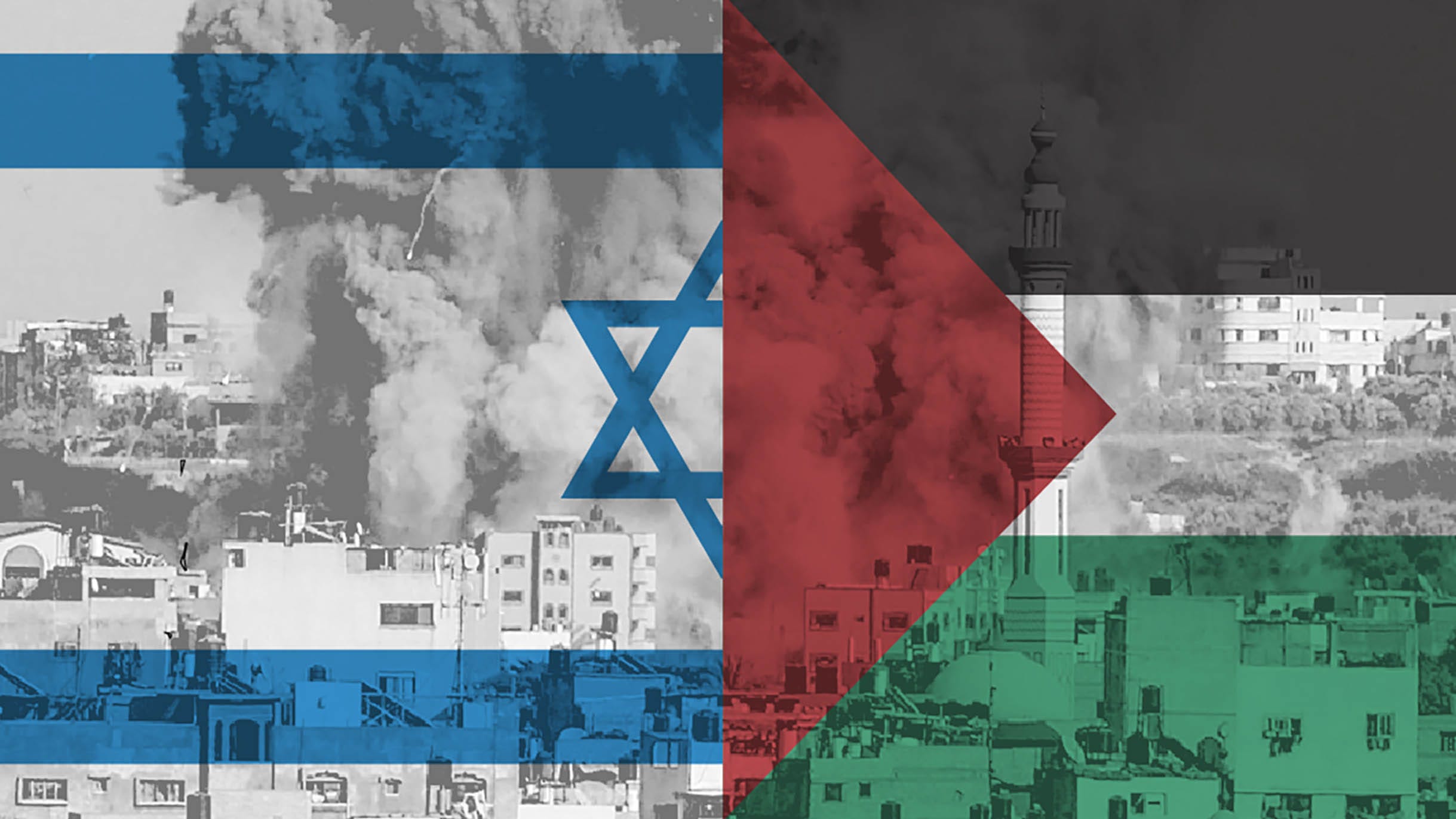
Several controversies surround the conflict, including ethical concerns over civilian casualties and the use of force. The issue of land ownership and resource management also remains contentious, with Palestinians accusing Israel of denying them basic needs such as water and shelter [3].
Future Trajectory
The future of this conflict appears uncertain. Efforts towards reconciliation face significant hurdles, compounded by entrenched positions on both sides. However, ongoing diplomatic initiatives and potential technological advancements may offer glimmers of hope for a more peaceful resolution.
Key Takeaways
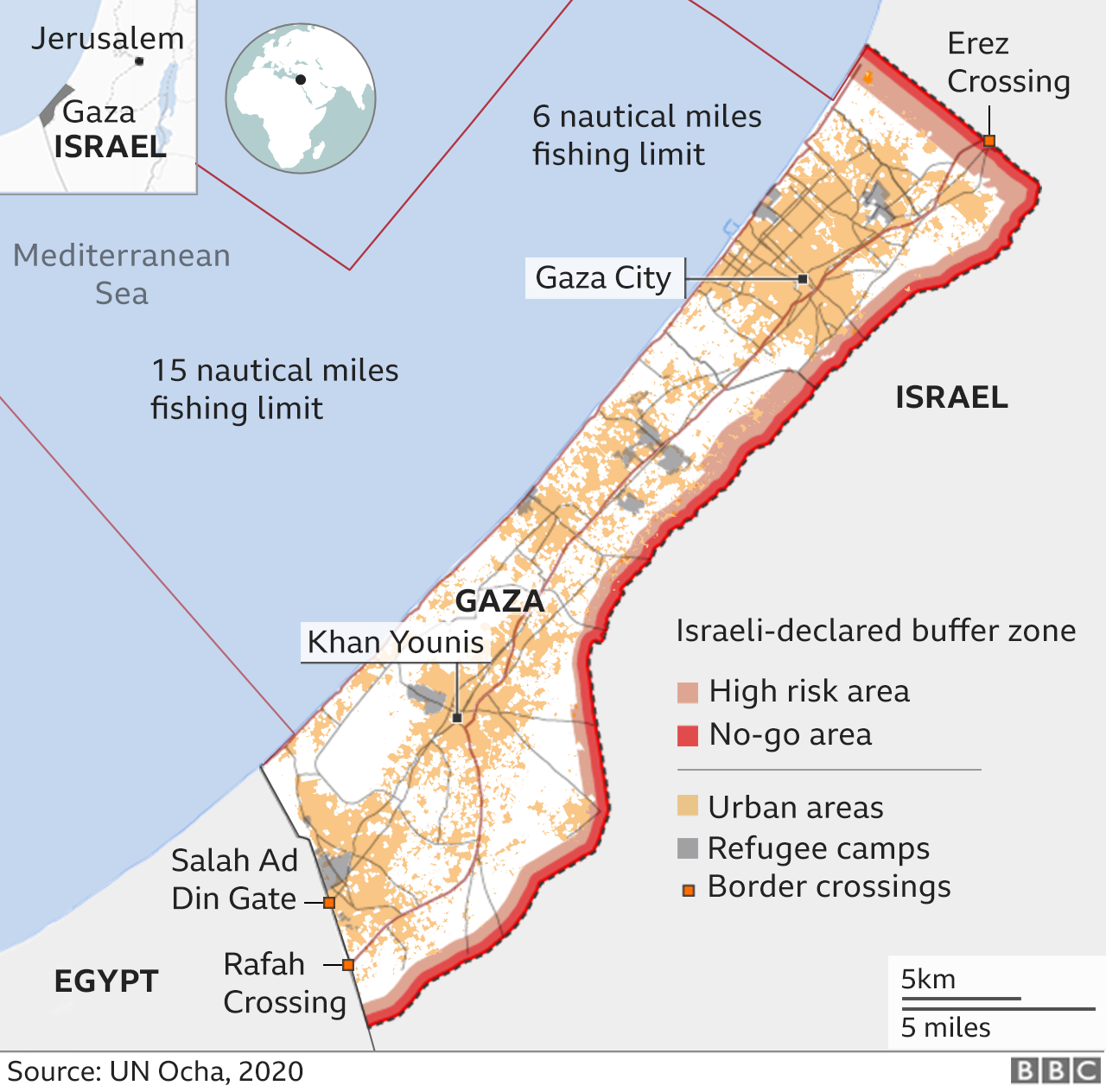
- The Israel-Gaza conflict is deeply rooted in historical grievances and religious ideologies.
- Recent outbreaks, such as the October 2023 conflict, have heightened global concerns over regional stability and international security.
- Technological advancements, particularly in drone technology, are reshaping military strategies in this conflict.
- Ethical considerations and humanitarian issues remain central to understanding and addressing the conflict.
This comprehensive overview provides a foundational understanding of the Israel-Gaza conflict, highlighting its historical roots, key players, mechanisms, applications, and future prospects.
Data Overview