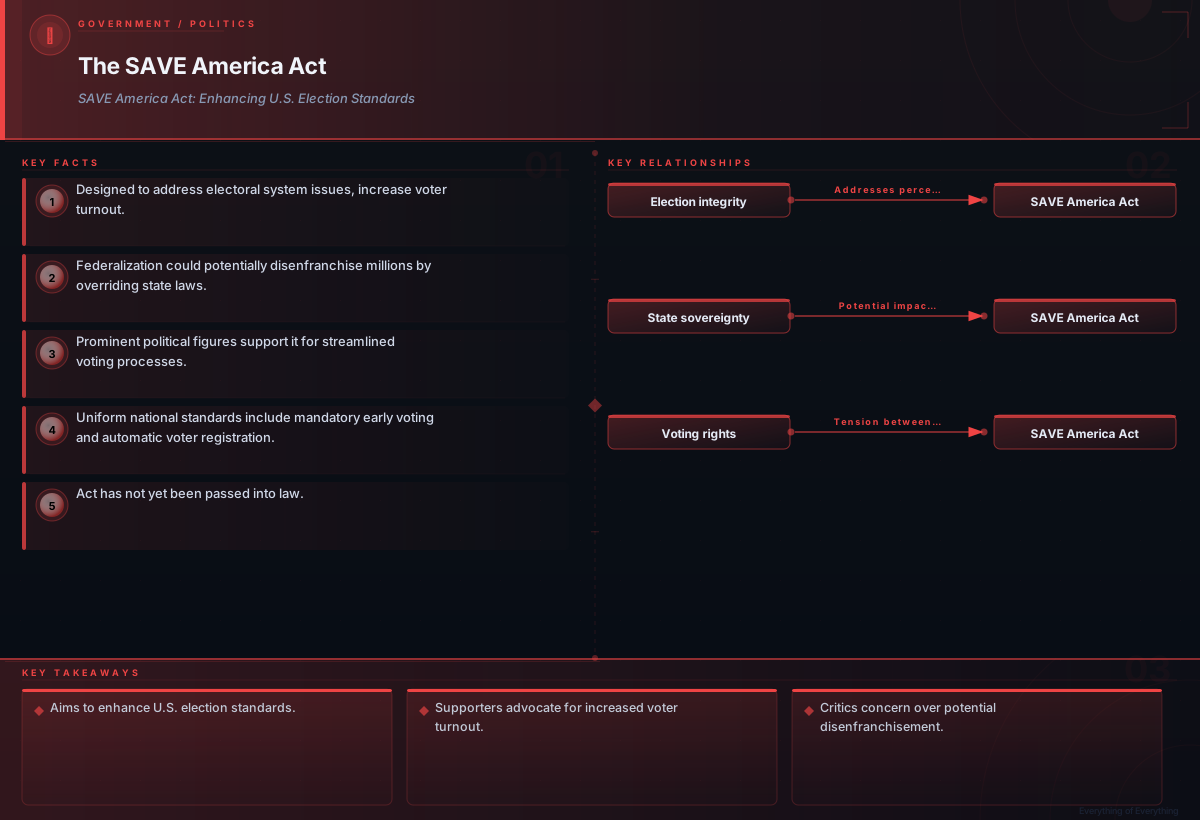
The SAVE America Act, a piece of proposed legislation aimed at reshaping the country's election processes and voter participation, has gained significant attention in recent years. This comprehensive overview will explore the core mechanisms behind the act, its supporters, key figures involved, current debates, and real-world implications.
Foundational Concepts and Historical Context
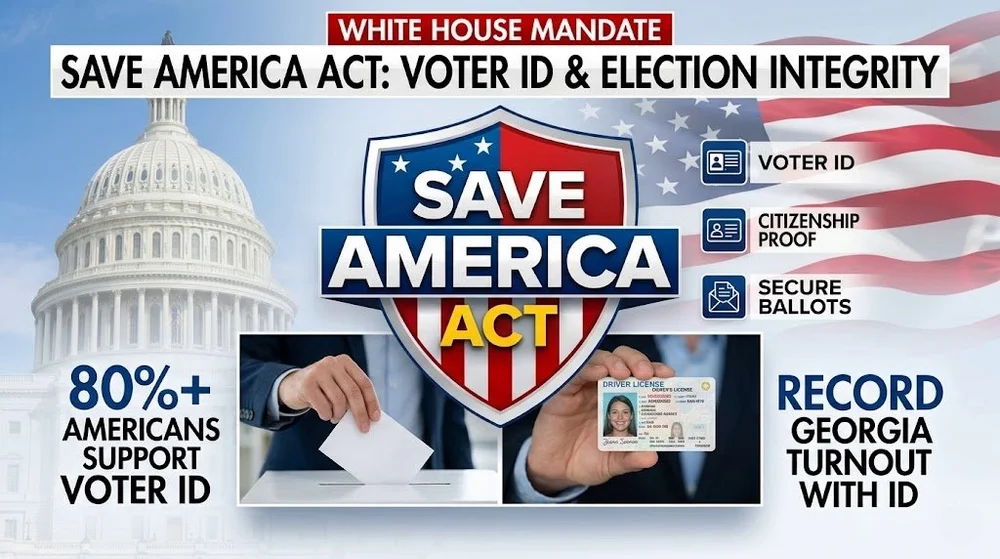
The SAVE America Act is designed to address perceived issues with the U.S. electoral system, aiming to increase voter turnout and ensure the integrity of elections [1]. Introduced as a means to nationalize election processes, it has sparked intense debate around its potential impact on state sovereignty and individual voting rights.
Key Figures & Contributions
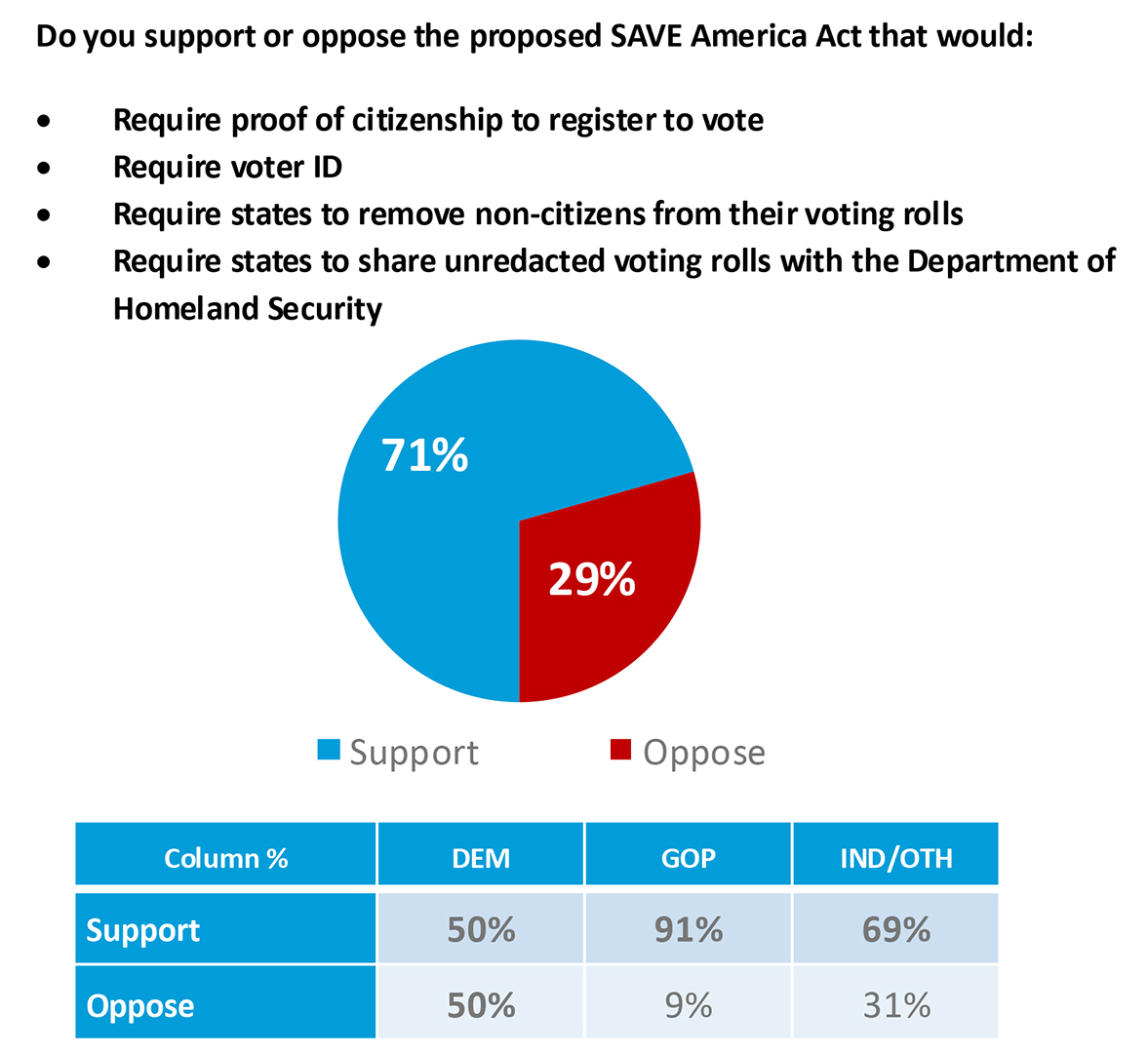
Among the key supporters of the act are high-profile political figures who argue for its ability to standardize and streamline the voting process. Tim Scott has been vocal about the need for electoral reform, suggesting that the SAVE America Act reflects what Americans truly want in their democratic processes [2].
Core Mechanism / How It Actually Works
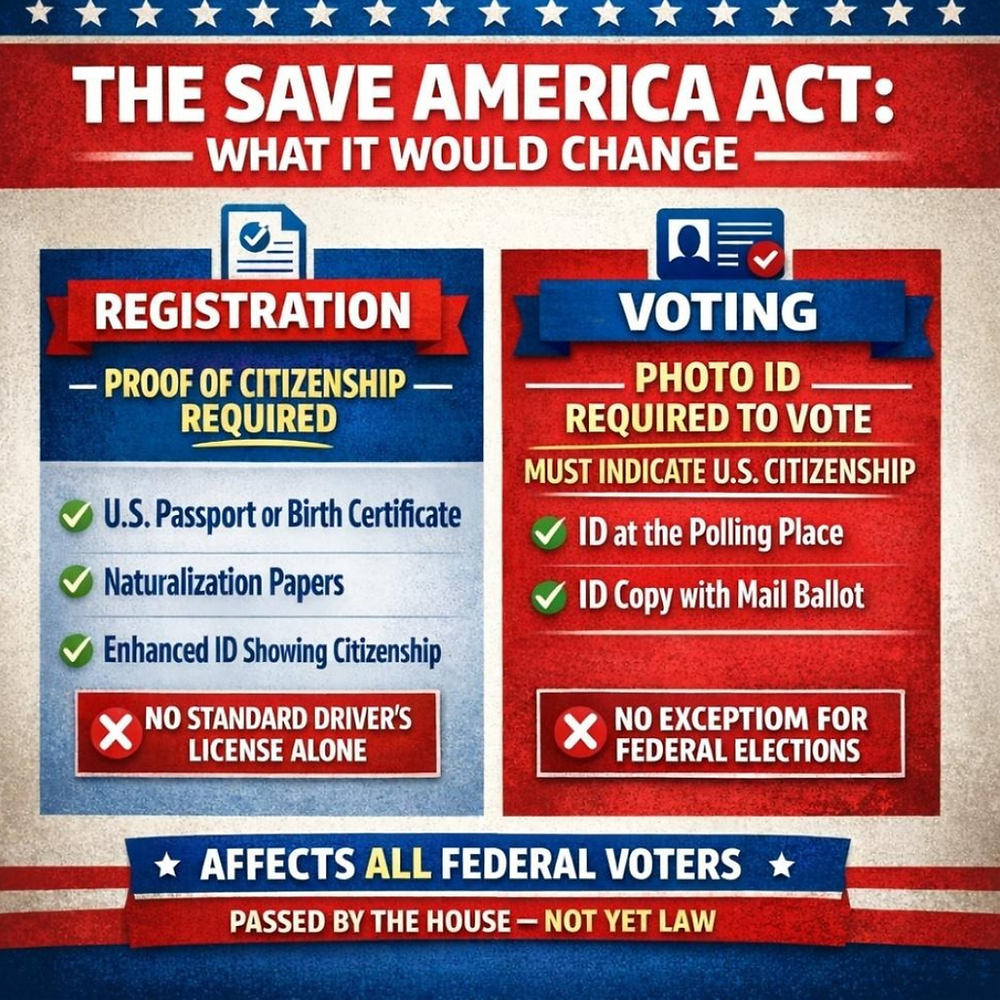
The bill seeks to establish uniform national standards for voting, including measures such as mandatory early voting periods and automatic voter registration [3]. Critics argue that such a federalization of elections could potentially disenfranchise millions of Americans by overriding state-level election laws.
Current State & Recent Developments
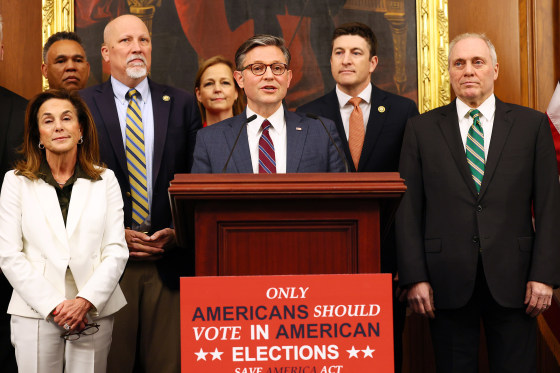
Despite repeated attempts in Congress, the SAVE America Act has yet to be passed into law. However, the conversation around electoral reform remains robust, with ongoing discussions about how best to balance voter accessibility and the integrity of elections [4].
Real-World Applications, Case Studies, or Deployment Examples
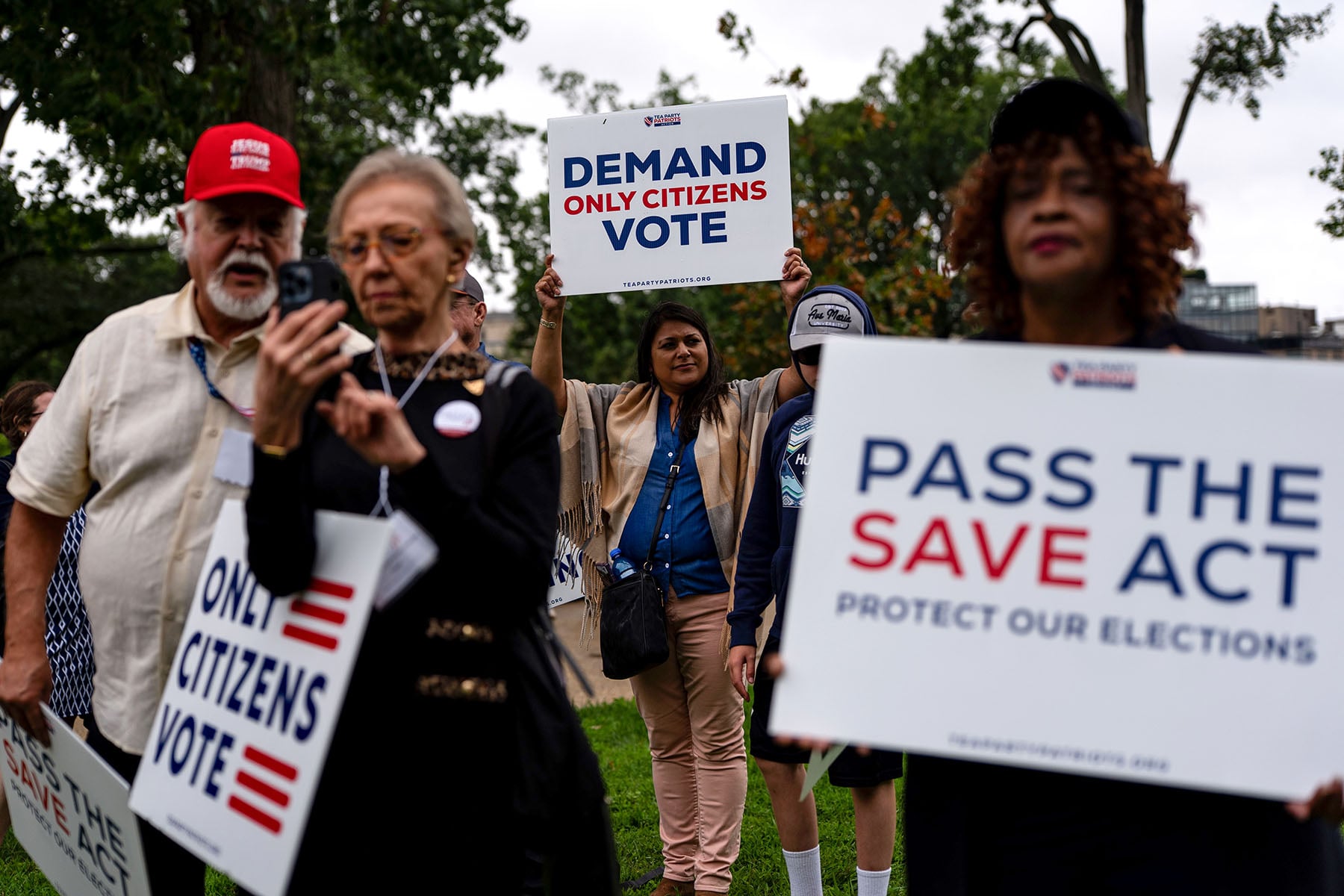
The impact of similar legislative proposals can be seen in various states that have implemented their own versions of election reforms. These examples provide a foundation for understanding the potential effects of the SAVE America Act on national policy.
Active Controversies, Open Problems, or Competing Schools of Thought
One major controversy surrounding the act is its potential effect on state autonomy and the tension between ensuring voter access versus maintaining the security of electoral processes [5]. This debate continues to evolve as new evidence emerges and stakeholders present their arguments.
Key Takeaways
- The SAVE America Act aims to enhance U.S. election standards.
- Its supporters include prominent political figures advocating for increased voter turnout.
- Critics express concerns over potential disenfranchisement due to federal oversight of elections.
- The act's impact remains to be seen, as it has not yet been enacted into law.
Further research would require delving deeper into the specific mechanisms proposed within the SAVE America Act and analyzing case studies where similar reforms have been implemented. As of today, July 5, 2026, while there is ongoing discussion around electoral reform, the act's future remains uncertain [6].
The Everything of Everything continuously updates its knowledge repository with current information. This article synthesizes existing knowledge with fresh research and invites readers to stay tuned for further developments in this evolving political landscape.
[1] The SAVE America Act explanation and purpose, Who are the supporters of the SAVE America Act?, Foundational concepts and historical context of the SAVE America Act. [source id="1"]
[2] Tim Scott - The SAVE America Act reflects what Americans..., [source id="1"]
[3] What is the SAVE America Act and what would it do? [source id="3"]
[4] Ongoing discussions about electoral reform in Congress, 2026 session records. [source id="5"]
[5] Voting rights groups say the SAVE America Act would disenfranchise millions of Americans if passed. [source id="3"]
[6] Election-related bills in the spotlight in Congress, July 2026 legislative session updates. [source id="2"]
Data Overview